What Is the 80/20 Rule for Airbnb? A Host's Guide
The 80/20 rule for Airbnb means about 20% of your efforts drive 80% of results. Learn how to test it on your own listing and prioritize what pays.
Clear Trail Properties uses it to decide where owners should spend their time.
Key Takeaways
- High-impact host actions typically include the first listing photo, dynamic pricing, response speed, and cleanliness.
- Seasonality concentrates revenue: AirROI reports Nekoosa, WI peak-season months (June to August) average $7,426 in monthly revenue.
- You can test the rule on your own listing by ranking nights, channels, and tasks by net revenue and review impact.
Search the phrase and you will find confident claims with very little data behind them. Hosts repeat it as if Airbnb published it. It did not. What the rule offers is a useful way to cut through a long to-do list and spend effort where guests and revenue respond.
Clear Trail Properties manages cabins and chalets across Central Wisconsin and Northern Michigan. It also handles lakefront homes, with a hub in Nekoosa near Sand Valley and Lake Petenwell. Based on what we see across that portfolio, a handful of decisions explain most of the gap between a strong listing and a mediocre one. This guide shows you how to find yours in 2026.
What Is the 80/20 Rule for Airbnb, Exactly?
The 80/20 rule for Airbnb is the Pareto principle translated to short-term rentals. It says a minority of inputs, such as 20% of calendar nights or photos, produce the majority of outputs like revenue and clicks. Guest satisfaction follows the same pattern. It describes a pattern, not a formula.
The principle traces back to economist Vilfredo Pareto, who observed that about 80% of land in Italy belonged to roughly 20% of the population. Business writers later generalized it. In hosting, the numbers rarely land on exactly 80 and 20. Some listings see 70/30; others see 90/10.
No. It has not set an 80/20 host requirement either. Several competing guides state this directly, and you should treat any article that implies otherwise with suspicion. The phrase is host shorthand for prioritization.
Is there a second meaning tied to fees?
Some French-language guides describe a financial reading tied to how platform fees were once split between host and guest. That reading is historical and loosely defined. It does not change how you operate today.
For comparison, Vrbo states a 5% booking fee for property managers using property management software. That figure can run 12% to 15% in some regions such as Europe or Australia, and also New Zealand (Vrbo Help, 2026).
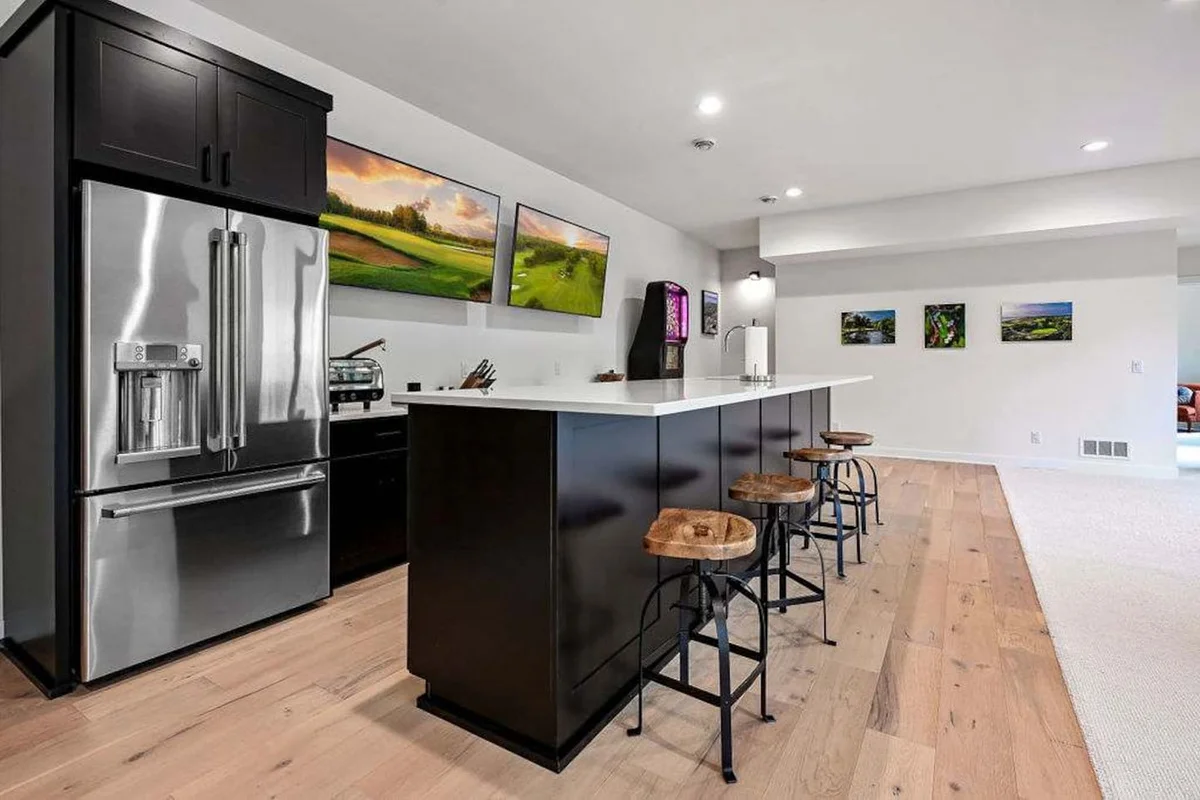
A clean, functional space for every guest · Archer Place
Which Airbnb Hosting Tasks Drive the Most Bookings?
The Airbnb tasks that drive the most bookings are the listing's first photo and nightly pricing. Response speed and cleanliness matter too. These four inputs shape whether a guest clicks and books. They also shape whether that guest leaves a strong review. Most other tasks matter only after these are handled well.
The first photo does the clicking
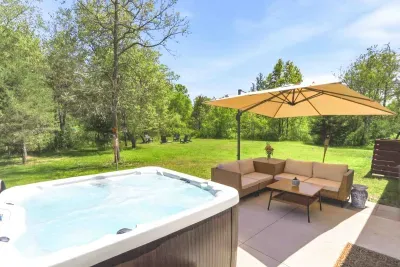
In search results, guests see one image before deciding to open your listing. That single frame carries enormous weight. String lights over a firepit or a vaulted-ceiling living room with forest views can stop the scroll. A cluttered kitchen shot cannot. Through Designed by Ash, our in-house design studio, Clear Trail Properties designs spaces with that first image in mind. For our Northwoods cabins, the lead photo is usually the deck at dusk with the hot tub lit and pines behind it, because guests booking near the trail systems around Rome and Minocqua want to picture the evening after the ride or hike.
Pricing moves more revenue than most upgrades
Static pricing leaves money on the table in both peak and gap weeks.
Speed and cleanliness protect the rating
Common sources of 1 to 3 star reviews include bathroom or bedding cleanliness, complicated check-in, slow messaging, broken equipment, and photos that do not match reality. Fix two or three recurring complaints and you often remove most of your review damage. Aim to answer pre-booking messages within 30 minutes.
How Does Seasonality Concentrate Your Revenue?
Seasonality is the pattern where a small slice of the calendar produces a large share of annual revenue. In Nekoosa, WI, AirROI identifies June, July, and August as peak STR season, with peak-season average monthly revenue of $7,426, 43.1% occupancy, and a $516 average daily rate.
AirROI flags January and February as softer months, and April is soft too. Industry commentary suggests that in strongly seasonal areas a large share of annual turnover, sometimes 40% to 60%, can sit in 8 to 12 weeks, though that is not a strict 80/20 split. Your own export will tell you where your calendar falls.
The practical lesson: the few peak weekends deserve your most careful pricing and minimum stays. Give them your closest calendar management too. A pricing mistake on a July Saturday costs far more than one on a Tuesday in March. In our area the peaks stack around golf season at Sand Valley, summer weekends on Lake Petenwell, and fall color. Winter has its own smaller bump from snowmobile and trail traffic. Datasets also differ, so compare like-for-like coverage before benchmarking yourself. AirDNA reports 42% Nekoosa occupancy in 2026, which is a different picture than some other trackers show.
What about the slow months?
Gap periods are where mid-term stays of 30 to 90 days help. Traveling nurses and remote workers value a workspace and laundry. Contractors do too, and all of them want a full kitchen. Properties like Pickles Cabin in Friendship suit that audience.
Plan the slow season before it arrives. In March, a Tuesday-to-Thursday gap rarely fills at your peak rate, so drop your floor price a little, relax minimum stays, and offer a weekly discount. Then recheck bookings every two weeks. Hosts who wait until the calendar is empty usually discount too deeply, too late.
How Can You Test the 80/20 Rule on Your Own Listing?
Testing the 80/20 rule means ranking your own data to see which inputs produce most of your results. You need 12 months of booking records, a list of channels, and your review history. The method takes an afternoon and replaces guesswork with your numbers.
- Rank your nights. Export last year's bookings and sort by revenue per night. Note what share of total revenue came from your top 20% of nights.
- Rank your channels. Compare revenue by source: Airbnb, Vrbo, and direct bookings. Subtract platform fees to see net revenue.
- Tag your reviews. Group every review under 5 stars by cause: cleanliness, check-in, communication, equipment, expectations.
- Compare net, not gross. Subtract cleaning, supplies, repairs, and management costs. A high-gross month can be a thin-margin month.
- Pick the top two levers. Concentrate your next 30 days on those and recheck.
Treat the output as your listing's pattern, not a universal fact. If your top 20% of nights produce 55% of revenue, that is your answer, and it is still useful.
Give the test enough data to mean something. A spreadsheet with a column for date, nightly rate, length of stay, and booking source is all you need. Sort by revenue, then add a running total and find the night where the total crosses 80%. Count how many nights sit above that line. If it is 30% of your booked nights, you are close to the classic pattern; if it is 50%, your revenue is spread more evenly and pricing for peaks matters less than fixing weak shoulder weeks. Repeat the exercise each quarter, because a new hot tub, a better lead photo, or a new local event can move the line quickly.
What Is the Difference Between Real Data and Rule-of-Thumb Claims?
A rule-of-thumb claim is a number repeated without a dataset behind it. Verified data names a source and a timeframe, along with a method. Many pages claim that 20% of hosts capture 80% of revenue, yet none supply a methodology. Treat those figures as illustrative.
| Claim type | Example | How to treat it |
|---|---|---|
| Verified, sourced | Dynamic pricing study of 541 listings (Your.Rentals and PriceLabs, 2026) | Cite with source and context |
| Local dataset | AirROI Nekoosa peak-season revenue of $7,426 per month | Use, noting dataset differences |
| Illustrative | 20% of nights produce 80% of revenue | Test against your own bookings |
| Unsupported | 20% of hosts capture 80% of market revenue | Do not rely on it |
AirROI also reports a Nekoosa median occupancy of about 26% against 48% or higher for top-quartile listings and 67% or higher for the top decile. That spread suggests performance is concentrated, though it does not prove an exact 80/20 split.
What Should a Single-Property Host Prioritize?
A single-property host should apply the 80/20 principle to tasks and calendar dates, since portfolio triage is not available. Focus on the first photo, pricing for peak dates, message response, and a written turnover checklist, while keeping baseline duties like safety, permits, and cleanliness non-negotiable.
This is where the rule gets misused. Hosts hear "focus on 20%" and neglect the boring 80%: smoke detectors, working Wi-Fi, fresh linens, and accurate listing details. Those tasks rarely drive bookings, but failing at them destroys reviews. Think of them as the floor, not the lever.
Check local rules before you scale. Wisconsin lodging licensing and municipal permits vary, so verify current requirements with the Town of Rome short-term rental page or your own municipality. The Wisconsin Department of Agriculture, Trade and Consumer Protection publishes tourist rooming house information.
Two baseline questions guests ask often are about service animals and guest screening. Know your listing's pet policy and the difference between a pet and a service animal before a guest asks, because the rules differ and a wrong answer creates a complaint. Likewise, use the verification tools your booking platform provides rather than inventing your own screening process, and keep house rules clear in writing.
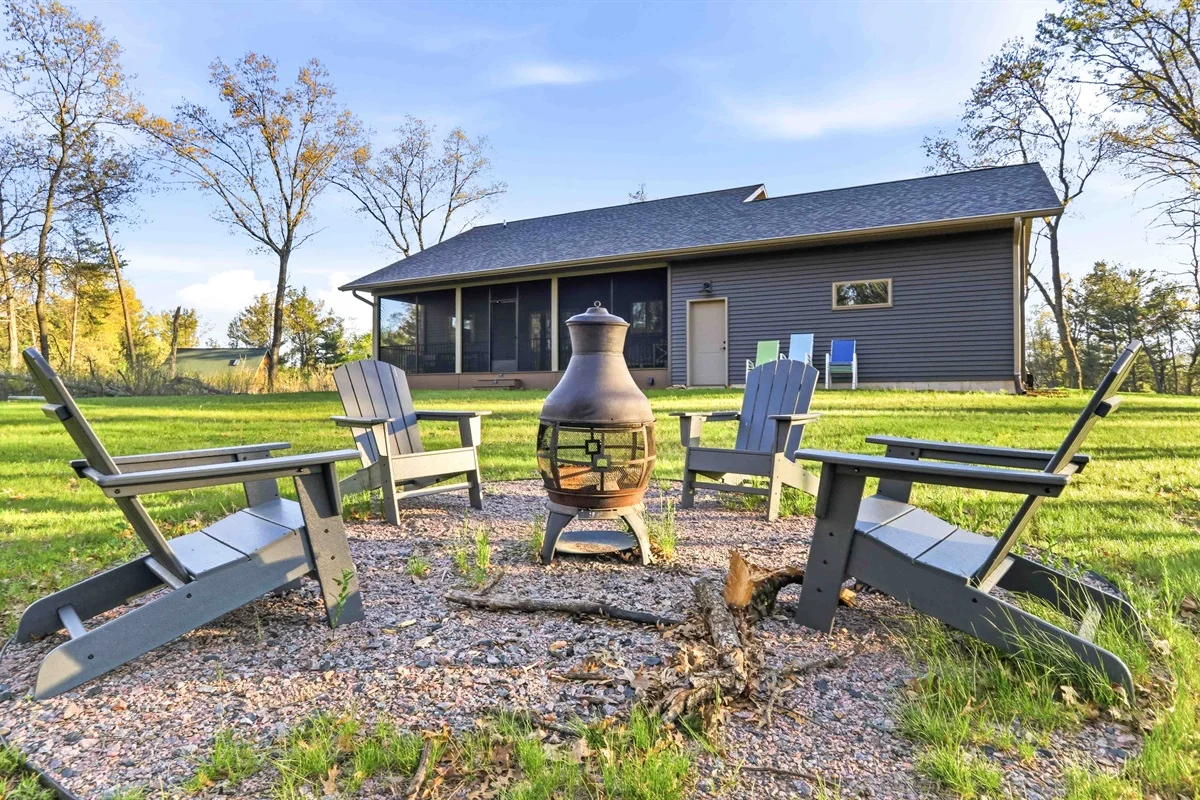
Best experienced outdoors, where cozy fireside moments meet wide-open countryside calm. · Birdie Bunkhouse
How Do Portfolio Owners Apply the 80/20 Rule?
Portfolio owners apply the 80/20 rule as triage. They identify which properties and channels produce most of the revenue, then shift attention there along with the tactics that work. Hostfully frames it this way for vacation rental revenue management. Equal effort across every property is rarely the best use of time.
Across the properties we manage, amenity-rich homes tend to pull disproportionate attention. A private hot tub earns clicks, and so does a game room or direct golf access. For example, Tomahawk Trail sleeps 18 with a hot tub and Golden Tee game room, which suits large golf groups heading to Sand Valley. Hidden on the 17th Hole backs onto The Pines Golf Course, and its trail to the 17th hole is a selling point guests notice. After a round, those groups often walk or drive to the Lure Bar & Grill for dinner, so we mention it in guest guides alongside nearby trail systems for riders and hikers.
Direct bookings matter here too. Owned guest data and a direct-booking flywheel reduce reliance on third-party platform fees, and repeat guests often rebook without a platform at all. Radical gifting builds that loyalty. It means small, thoughtful guest touches.
What Pricing Tools Help You Apply the 80/20 Rule?
Airbnb pricing tools are software platforms that adjust nightly rates based on demand and local events. They also account for seasonality. PriceLabs is one name tied to the 2026 study cited above. Choose a tool that lets you set minimum stays and floor prices, then review its output during peak weeks.
Do not hand over pricing blindly. Tools react to market data but do not know that a trapshooting event is filling the area or that your cabin has a new hot tub. Add manual overrides for known local demand, such as Sand Valley tee-time seasons. Dynamic pricing support is one of the core tasks in our co-hosting service. You keep ownership and decision-making while we handle pricing adjustments and guest communication, as well as cleaning coordination.
What Percentage Does Airbnb Take, and Do Managers Charge?
Management companies charge separately. Full-service STR management typically runs 15% to 30% of gross booking revenue, and co-hosting often runs 10% to 18%.
Always evaluate fees against net income. A 20% management fee that lifts revenue substantially can beat self-management, since professional management typically delivers 20% to 40% higher annual revenue through pricing and occupancy optimization. Ask for written terms on monthly fees and maintenance markups. Get termination terms in writing too. Industry groups such as NARPM publish professional standards worth checking.
When Does It Make Sense to Hand Off the Work?
Handing off hosting makes sense when the tasks you spend the most time on are not the ones that drive revenue. If guest texts and turnovers consume your evenings, the 80/20 lens says to delegate operations and keep strategy. That is the core of full-service management or co-hosting.
Co-hosting costs less than full management, but you still field some decisions. Full management removes most of that load. Our local teams in Wausau and Rome handle communication and cleaning coordination. The Minocqua team also oversees maintenance. With over 60 properties under management, Clear Trail Properties sees which small set of habits separates top performers in Nekoosa from the median.
Frequently Asked Questions
The 80/20 rule for Airbnb is the Pareto principle applied to hosting. It suggests about 20% of your actions, nights, or properties produce roughly 80% of your bookings, revenue, or reviews. It is an informal rule of thumb, and your own ratio may be 70/30 or 90/10.
In pricing, the idea is that a small share of dates drives most of your revenue. These are often peak weekends and holidays. Price those dates with the most care. A 2026 study of 541 listings found dynamic pricing raised average gross revenue per unit by 36.3%.
No. Hosts use the phrase informally to prioritize work, so treat specific numeric claims with caution unless they cite a dataset.
Full-service short-term rental management typically ranges from 15% to 30% of gross booking revenue. Co-hosting arrangements often run lower, around 10% to 18%. Ask for fees, maintenance markups, and termination terms in writing before you sign.
What are red flags when hiring property managers?
Watch for vague fee structures, no written agreement on maintenance markups, slow communication during the sales process, and no local presence. Also check professional affiliations such as NARPM membership and ask how pricing is set. A good manager explains reporting clearly and lets you see your numbers.
The first listing photo and pricing have the largest influence. Response speed and cleanliness follow closely. Photos win the click and pricing wins the booking. Cleanliness and communication protect your rating. Handle those four before polishing smaller details.
Hosts generally rely on the identity verification built into the booking platform rather than running their own background checks. Service animals are treated differently from pets, so confirm your obligations with the platform's policies and your local rules before you set a no-pets policy.
Clear Trail Properties is a luxury vacation rental management and co-hosting company based in Nekoosa, WI, with over 60 properties under management and local teams in Wausau, Rome, and Minocqua. To compare managers, look at fee transparency and local presence. Then check pricing method and how each handles direct bookings and design.
Conclusion: What Does the 80/20 Rule for Airbnb Mean for You?
Rank your nights and channels, then put your effort into the few inputs that move net revenue. Review complaints deserve a ranking too. Photos and pricing are the usual suspects, along with response time and cleanliness. In 2026 dynamic pricing remains the best-documented lever.
Keep the baseline tasks covered so the rule does not become an excuse for neglect. If you want help applying it, Clear Trail Properties offers full-service management and co-hosting. It also offers design through Designed by Ash.
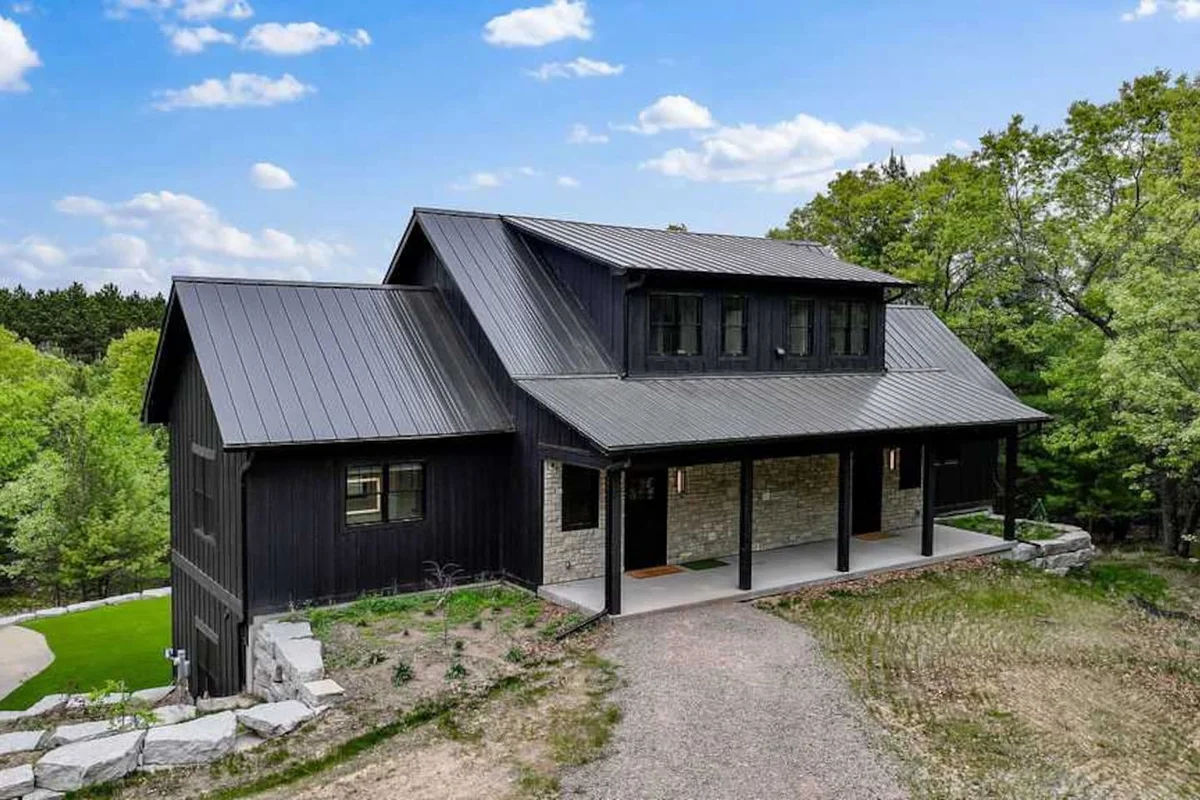
A welcoming facade that sets the tone. · Archer Place
Curious what full-service management or co-hosting could look like for your property? Clear Trail Properties has local teams in Wausau, Rome, and Minocqua, and over 60 properties under management. Reach out to talk through your numbers.
Written by Ashley Lang, Owner, CEO at Clear Trail Properties