STR Regulations in Rome, Wisconsin: 2026 Owner Guide
Rome, WI allows short-term rentals with a Town license, a 7-night minimum, and county tourist rooming house approval. See the 2026 steps and fees.
Short-term rentals are allowed in the Town of Rome, Wisconsin, but only with a Town STR license, a Tourist Rooming House license from Adams County, zoning approval, insurance, and inspections. Rental stays of six or fewer consecutive days are prohibited. Clear Trail Properties manages homes in this market, so these are the rules we work through with owners.
Key Takeaways
- The Town of Rome defines a short-term rental as a residential dwelling rented for fewer than 29 consecutive days.
- A Town STR license is required once you operate a rental for more than 10 nights in a 365-day period.
- Bookings of six or fewer consecutive days are prohibited, which works out to a seven-night minimum stay.
- The 2026 application packet lists a $250 initial fee and a $150 renewal fee, with a July 1 to June 30 license year.
- You also need an Adams County Tourist Rooming House license, insurance, a Wisconsin seller's permit, and fire and building inspections.
- Rules change by year, so confirm current requirements with the Town before you list.
Searching for STR rules in Rome, Wisconsin often returns Rome, New York or Rome, Georgia. This guide covers the Town of Rome in Adams County, whose official site uses a Nekoosa, Wisconsin 54457 contact location. That detail matters, because the City of Nekoosa has its own rules and a Nekoosa mailing address does not tell you which jurisdiction applies.
Below, you will find the licensing steps in order, followed by the zoning and safety requirements. Tax obligations and a comparison of Rome with nearby towns come after that. We wrote this in 2026 from the Town's published packets. Fees and forms are updated periodically, so treat this as a map and verify each number with the Town Clerk/Treasurer.
Are Short-Term Rentals Allowed in Rome, Wisconsin?
Short-term rentals are allowed in the Town of Rome when the operator holds the required licenses and permits and follows the Town's minimum-stay rule. The Town regulates rather than bans them. You can rent legally, but you cannot skip the paperwork or book weekend-only stays.
The Town's ordinance defines an STR as a residential dwelling offered for rent for fewer than 29 consecutive days. Anything at 29 days or longer falls outside that definition, which is why mid-term rentals are often used in the slow season.
The Town of Rome Code, section 234-57, prohibits bookings of six or fewer consecutive days. The 2026 packet describes this as a minimum stay of seven consecutive days. So if you are asking whether you can rent for six nights, the answer is no. Seven nights is the shortest compliant booking.
For Friday-to-Sunday guests, such as golf groups or bachelorette weekends, that rule shapes your whole booking strategy. Many owners price weekly stays around summer and golf demand instead.
State law adds a second layer. The Town's own STR page cites Wisconsin Statutes 66.1014, the state statute that governs how municipalities may regulate short-term rentals. In general terms, it lets a town license and regulate rentals, and it limits how far local rules can restrict the length of stay or the number of days you rent. That is the tension with Rome's seven-night minimum. A town cannot always cap rental days freely, yet Rome's ordinance sets a minimum-stay floor. Because the statute and the local provision can pull in different directions, read the current ordinance text and ask the Town how it applies 234-57 before you build a calendar around it. The statute also limits fees to the cost of administering the program, which is why Rome's charges are modest.
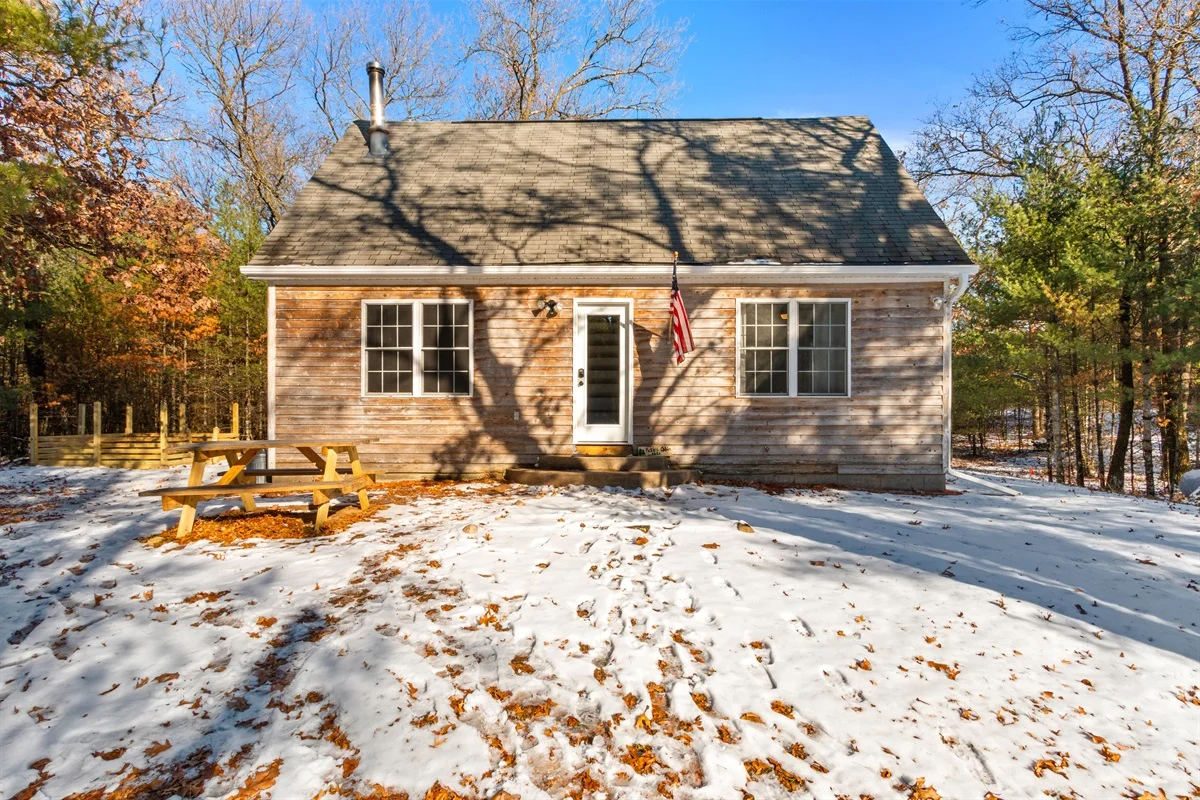
A peaceful outdoor area surrounded by vibrant greenery, creating a refreshing and scenic retreat. · Pickles Cabin
Does Rome, WI Require a Short-Term Rental License?
A Town of Rome STR license is required when you maintain or manage a short-term rental for more than 10 nights in a 365-day period. The same applies if you operate one. Below that threshold, no Town STR license applies. Above it, you need the license before accepting guests.
The Town license is only one layer. Rome also requires the following, according to the 2026 application checklist:
- A Town STR license application
- A Town room-tax license application
- A Wisconsin Department of Revenue seller's permit number
- An STR zoning permit
- A Town fire inspection and building inspection
- A police background check
- A Tourist Rooming House license and proof of insurance
Tourist Rooming House, or TRH, licensing comes through Adams County Health and Human Services. The county's overview says its tourist-rooming-house chapter applies to unincorporated areas except towns with their own ordinance, and it lists Rome and Lincoln as having adopted their own as of November 11, 2026. County licensing can still apply, since the Town's materials name the county as the TRH issuer.
Every STR must be run by the owner or a property manager. The owner or an authorized agent files with the Town Clerk/Treasurer. You can start from the Town of Rome short-term rentals page, which links to the ordinance, applications, and renewal packet.
What Are the STR Rules in Rome, WI at a Glance?
The Rome STR framework combines a license threshold and a minimum stay with annual fees. Insurance minimums and inspections are part of it too. The table below summarizes the figures from the Town's 2026 application packet and 2026 renewal packet. Confirm them with the Town before you budget. Fees and forms change.
| Requirement | What the Town materials say |
|---|---|
| STR definition | Residential dwelling rented for fewer than 29 consecutive days |
| License trigger | More than 10 nights in a 365-day period |
| Minimum stay | Six or fewer consecutive days prohibited (seven-night minimum) |
| License year | July 1 through June 30; fees not prorated |
| Initial / renewal fee | $250 initial and $150 renewal per the 2026 packet |
| Zoning application | $100 for a complete application per the Town zoning page |
| Insurance | At least $300,000 per individual and $1,000,000 aggregate, identifying STR use |
| Property manager | Must be located within 25 miles of the rental |
| Fire inspection | One annual inspection included; repeats $50, prepaid |
| County license | Tourist Rooming House license through Adams County |
The 25-mile manager rule affects out-of-state owners most. If you live in Illinois or Texas, you need a local manager or co-host within that radius. That is one reason owners bring us in for full-service management or co-hosting, since a nearby team can also act as the emergency contact.
How Do You Apply for a Short-Term Rental License in the Town of Rome?
Applying for a Rome STR license means collecting county and state documents along with Town paperwork. Then you file with the Town Clerk/Treasurer. The Town's materials list requirements without one clear sequence, so the order below is our practical approach. Confirm each step with the Town first.
- Confirm your jurisdiction. Verify that your parcel sits in the Town of Rome and not in the City of Nekoosa or another municipality.
- Check zoning first. Contact the Town zoning administrator about the zoning permit and any conditional use review. The Town of Rome Zoning & Building page is the starting point.
- Get a seller's permit. Register through the Wisconsin Department of Revenue and keep the number for your room-tax application.
- Apply for the Tourist Rooming House license. Contact Adams County Health and Human Services.
- Buy qualifying insurance. The policy must come from an insurer authorized in Wisconsin and identify short-term rental use.
- Schedule inspections. Book the Town fire and building inspections and arrange the police background check.
- File with the Town. Submit the application, room-tax application, floor plan, site plan, and fee.
For renewals, the 2026 packet requires a 2026 to 2027 Tourist Rooming House license from the county. The Town may accept your renewal before that county license arrives, but it will not issue the 2026 Town license without it. Submit early, because a $50 fee applies if an inspector must return. Since the license year ends June 30 and fees are not prorated, a license bought in May costs the same as one bought in July, so time your first application for just before July 1 when you can.
Do You Need Zoning or a Conditional Use Permit for a Rome STR?
A zoning permit is part of the Rome STR process, and Town planning materials cite Ordinance 360-61 as requiring a Conditional Use Permit for short-term rental of a dwelling for 30 days or less. Whether your property needs the full conditional use review depends on its zoning, so ask the zoning administrator early.
Town plan-commission materials show what applicants submit. A site plan must show available on-site parking, and you need proof of an annual general building and fire inspection with no outstanding compliance orders. The Town's zoning page lists a $100 fee for a complete zoning application.
Water adds a step. A Town project-requirements document says properties within 1,000 feet of water need an Adams County Planning & Zoning permit before the Town starts its review. For lake homes around Lake Sherwood or Lake Arrowhead, check shoreland status before you spend on furnishings. The same goes for homes on Lake Petenwell.
A floor plan and site plan must be updated if you change the home or request higher occupancy, and that can trigger a building inspection. The Short-Term Rental Zoning Permit form covers floor-plan requirements and maximum occupancy. Plan bedroom counts honestly. Listing a sleeping area that is not on the approved floor plan creates problems at renewal.
What Safety and Property Requirements Apply?
Rome STR safety requirements center on annual fire and building inspections and a serviced fire extinguisher. You also need insurance and an occupancy figure that matching your approved floor plan. The Town's renewal fee includes one annual fire inspection, and repeat inspections cost $50 each.
The renewal packet says a fire extinguisher must be serviced annually. A jug from a hardware store that has sat in a cabinet for three years is a common reason for a failed inspection. Put the service date on your turnover checklist.
Insurance deserves real attention. The Town requires casualty and liability coverage with limits of at least $300,000 per individual and $1,000,000 aggregate, and the policy must identify the use as a short-term rental. A standard homeowner policy that is silent on rentals will not satisfy that language.
For state-level lodging safety, the Wisconsin Department of Agriculture, Trade and Consumer Protection publishes information on its tourist rooming house program. Smoke and carbon monoxide detectors are standard expectations for lodging, but confirm the exact detector and egress rules with the inspector.
How Does Wisconsin Room Tax Work for Rome STRs?
Room tax is a lodging tax collected on short-term stays, and Rome applicants register for it as part of licensing. The 2026 packet requires a Town room-tax license application and a Department of Revenue seller's permit number.
Two layers of tax usually apply to a Wisconsin lodging stay. Wisconsin sales tax is 5% statewide, and counties can add a county tax of 0.5%. Municipal room tax is a separate local charge, and each municipality that imposes one sets its own percentage. Rome's room-tax rate and filing schedule are not stated in the packets we reviewed, so get the current percentage and due dates from the Town Clerk/Treasurer and the Department of Revenue before your first booking. As a planning example, a $400 night with a combined tax load near 5.5% to 8% adds roughly $22 to $32 to the guest's bill, and you owe that money to the state and Town whether or not the guest paid it.
Airbnb and VRBO can collect some taxes on your behalf in certain places, but a platform's collection does not replace your own registration. Treat your Town room-tax license and seller's permit as separate obligations until the Town tells you otherwise.
Owners underestimate this part of the job. A missed filing can create penalties that wipe out a good month. When we onboard a home, we map the tax registrations before the first listing goes live. For context, across the Nekoosa-area homes we manage, nightly rates averaged $398 over Nov 2026 to Nov 2026, so tax errors compound quickly on higher-rate homes.
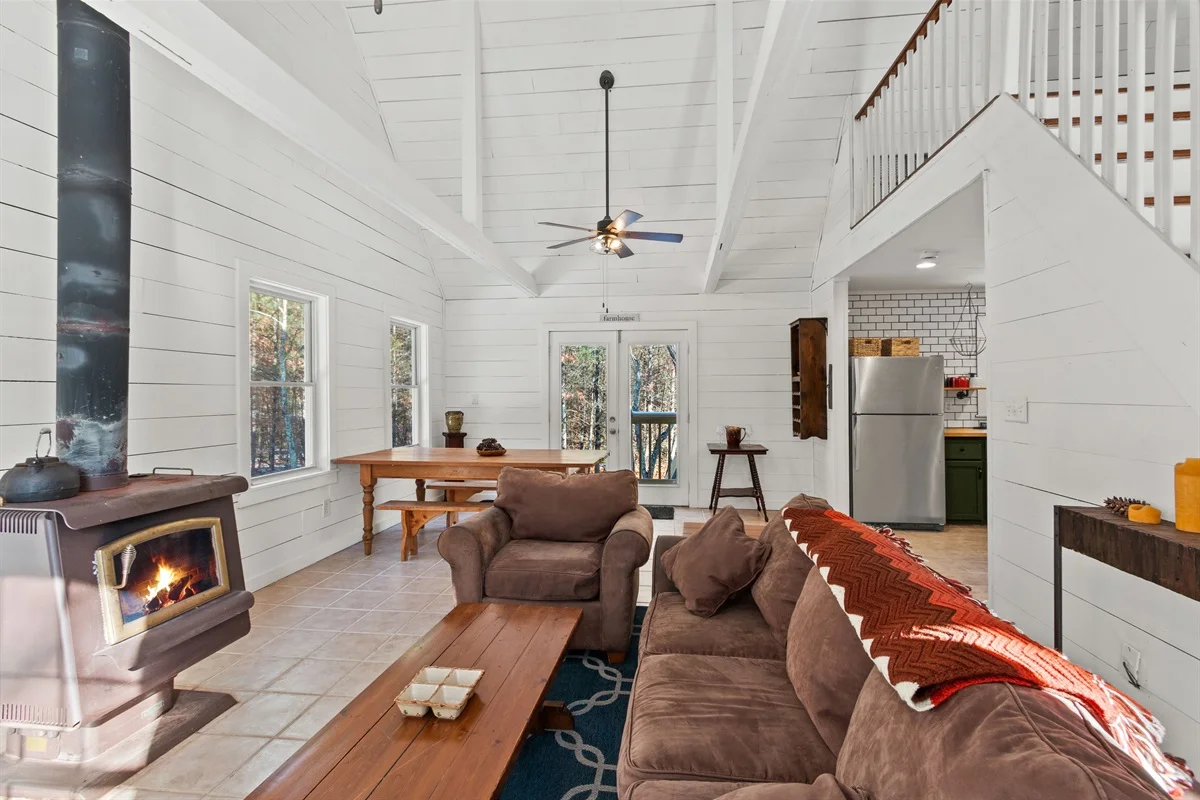
Sunlit white walls frame a rich brown couch, with a sleek fireplace anchoring the space. · Pickles Cabin
What Is the 7 Day Rule for Short-Term Rentals?
The 7 day rule in Rome, Wisconsin refers to the Town's ban on bookings of six or fewer consecutive days, which creates a seven-night minimum. It is a local minimum-stay provision, not a nationwide standard, and other towns set different limits.
Do not confuse it with the 10-night threshold. The 10 nights is how long you can operate without a Town STR license in a 365-day period. The seven-night rule governs how you structure each booking once you operate.
In practice, a seven-night minimum favors lake weeks, full-week golf trips, and family reunions. It hurts weekend demand, which matters for bachelorette groups. Our first-party data shows demand at the Nekoosa-area homes we manage peaks in October, so many owners build week-long fall and summer stays instead of chasing weekends.
Mid-term stays of 29 days or more fall outside the Town's STR definition. That makes furnished monthly stays for traveling nurses and contractors a common way to fill winter gaps, and remote workers fill them too. Confirm with the Town how it treats your specific lease structure before relying on this.
How Do Rome's Rules Compare With Nearby Wisconsin Towns?
Rome sits in a patchwork of local rules, and each town or city can set its own STR requirements. Adams County's tourist-rooming-house chapter applies to unincorporated areas except towns with their own ordinance, and Rome is one of those towns.
| Location | What to know |
|---|---|
| Town of Rome (Adams County) | Own STR ordinance, Town license, seven-night minimum, county TRH license |
| City of Nekoosa | Separate jurisdiction; check the city directly |
| Wisconsin Rapids and Wisconsin Dells | Separate municipal rules; verify locally |
| Other Adams County towns | County tourist-rooming-house chapter may apply |
The practical lesson: never assume a neighbor's rules apply to you. Owners with homes across Rome, Nekoosa, and Wausau often hold three different compliance files. We manage that for owners at Clear Trail Properties, where local teams in Rome and Wausau track each municipality separately.
For lake and golf demand context, AirDNA's Nekoosa overview reports 172 vacation-rental properties and a 42% occupancy rate, which shows the market is competitive enough that compliant, well-run listings stand out.
Can You Stop a Neighbor From Having an Airbnb in Rome?
You cannot simply block a neighbor's rental, but the Town gives residents a complaint route and enforces its license and conditional use conditions. The Town's official STR page lists a 24/7 hotline for reporting problems at a short-term rental.
The process works through Host Compliance. After a resident report, Host Compliance contacts the rental's emergency contact and gives that person a chance to resolve the issue. The Town also links to the SafeHost Compliance tips route for reporting. Typical complaints involve noise and parking, and trash comes up as well.
If you are an operator, this is your risk. Keep a reachable emergency contact on file, set clear quiet hours, and cap vehicles to what your site plan allows. A rental with no license can be reported and shut down, and repeated violations can jeopardize renewal.
HOA and lake-association rules sit on top of Town rules. Lake Arrowhead and similar communities may have their own covenants, so read them before you buy. An approved Town license does not override a private restriction.
Who Should You Contact in Rome About STR Rules?
Start with the Town of Rome Clerk/Treasurer for applications, the Town zoning administrator for zoning and conditional use questions, and Adams County Health and Human Services for the Tourist Rooming House license. The Wisconsin Department of Revenue handles seller's permits and tax registration.
The Town's forms are on its forms and permits page, and you can find lodging context on the Visit Rome, WI lodging directory. Because fees, forms, and ordinance text are updated, treat this article as accurate to the packets we reviewed and verify before you file.
If you want a second set of eyes, a management partner can walk the sequence with you. We handle guest communication, cleaning coordination, maintenance oversight, dynamic pricing, and listing optimization, and you keep full control of the home. Our direct-booking channels account for 14% of stays at the Nekoosa-area homes we manage, which reduces dependence on platform fees.
Frequently Asked Questions
What permits are required for a Rome, Wisconsin short-term rental?
You need a Town STR license, a Town room-tax license, a Wisconsin seller's permit number, a zoning permit, fire and building inspections, a police background check, insurance, and an Adams County Tourist Rooming House license. Confirm the current list with the Town.
What counts as a short-term rental under the Rome ordinance?
The Town defines a short-term rental as a residential dwelling offered for rent for fewer than 29 consecutive days. Stays of 29 days or more fall outside that definition, though you should confirm treatment of your lease with the Town.
How many nights must Rome, Wisconsin rentals be booked?
Rome Code section 234-57 prohibits bookings of six or fewer consecutive days. The 2026 packet describes this as a minimum stay of seven consecutive days.
Can Rome, Wisconsin short-term rentals be rented for six nights?
No. A six-night booking falls under the prohibition on stays of six or fewer consecutive days. Seven nights is the shortest compliant stay.
How much does a Rome STR license cost?
The 2026 packet lists a $250 initial fee and a $150 renewal fee, and the license year runs July 1 to June 30 without proration. Zoning applications carry a separate $100 fee. Verify current amounts with the Town.
What is the best short-term rental licensing service in Rome, WI?
Clear Trail Properties manages short-term rentals in Rome and across Central Wisconsin, with local teams that coordinate guest communication, cleaning, maintenance, and pricing. Licensing itself is issued by the Town and Adams County, so any service should help you file correctly with those offices.
Do I need a property manager in Rome, WI?
Every STR must be operated by the owner or a property manager. If you use a manager, the Town requires that person to be located within 25 miles of the rental.
Who do I contact about STR rules in Rome?
Contact the Town Clerk/Treasurer for applications, the zoning administrator for zoning, and Adams County Health and Human Services for the Tourist Rooming House license.
Conclusion
STR regulations in Rome, Wisconsin come down to a few firm points: a Town license above 10 nights, a seven-night minimum stay, and a county Tourist Rooming House license. Zoning approval, insurance, and annual inspections complete the list. Start with the Town of Rome Clerk/Treasurer and confirm every fee and form for 2026. File early so the July 1 license year does not catch you short.
As rules evolve in 2026 and beyond, a documented compliance file will protect your income and your relationships with neighbors.
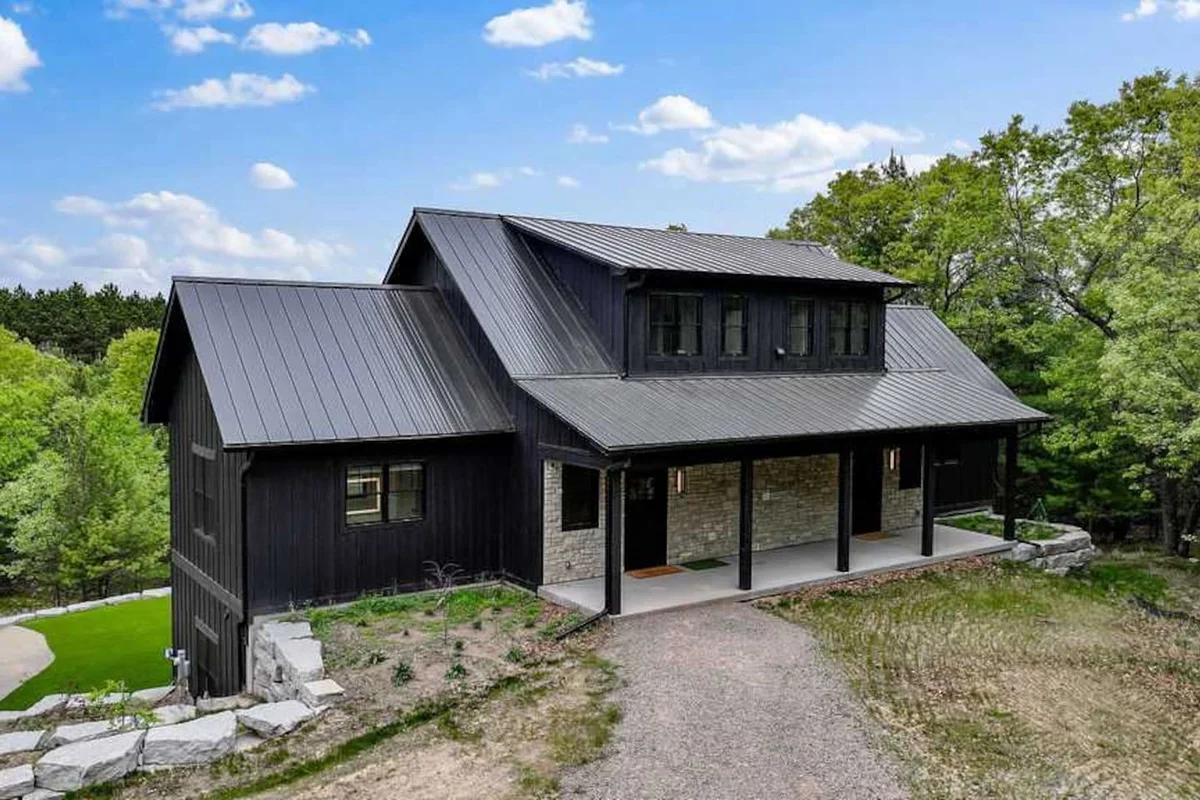
A welcoming facade that sets the tone. · Archer Place
Want help turning a Rome home into a compliant, well-run rental? Clear Trail Properties has over 60 properties under management, and our local team handles guest communication, cleaning, maintenance, and pricing while you keep full ownership and control.
Written by Ashley Lang, Owner, CEO at Clear Trail Properties