Self Manage vs Property Manager: Wisconsin Cabin Guide
Self manage vs property manager for a Wisconsin cabin: self-managing costs time, a manager costs a share of revenue. See the real trade-offs for 2026.
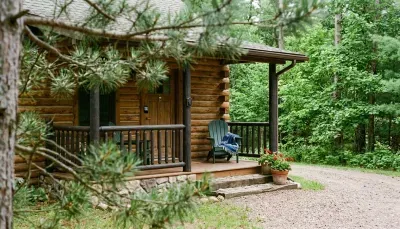
Choosing between self managing and hiring a property manager for a Wisconsin cabin comes down to time, distance, and how much of your revenue you will trade for hands-off ownership. Clear Trail Properties manages cabins across Central Wisconsin, and we recommend a manager when you live far away or your evenings are already full.
Key Takeaways
- Self managing keeps the full fee for yourself but costs you guest messaging, cleaner scheduling, pricing work, and maintenance calls, often at 10 p.m.
- Industry sources report short-term rental managers usually charge 25 to 40% of rental revenue, while Nekoosa-focused guides cite 15 to 30% for full service and 10 to 18% for co-hosting.
- Seasonality is steep: AirROI reports Nekoosa occupancy ranging from 19% in April to 62% in August, so pricing skill matters in slow months.
- Wisconsin cabins used for stays of more than 10 nights a year may need a Tourist Rooming House license; confirm current rules with the state and your municipality.
- Co-hosting is the middle path: you keep ownership and decisions while a local team carries the daily workload.
This comparison is built for two readers. The first is the out-of-state owner who cannot drive to the cabin for every turnover. The second is the burned-out self-manager who already hosts and wants to know whether a fee would pay for itself. We run 18 short-term rentals, so the numbers below come from real turnovers, not theory.
Throughout, we separate verified market data from vendor claims. Where a figure comes from a third party, we name the source. Where no solid number exists, we say so rather than guess.
What Does Self-Managing a Wisconsin Cabin Actually Involve?
Self-managing a Wisconsin cabin means you personally handle every operating task: listing creation, guest messaging, pricing, cleaning coordination, restocking, maintenance dispatch, taxes, and permit renewals. You keep the entire revenue stream, but you also own every failure point, including the one at 11 p.m. on a Saturday when a guest cannot find the lockbox or the hot tub heater trips.
The work comes in layers. Daily tasks include answering inquiries and check-in questions. Weekly tasks include adjusting rates and confirming cleaners. Seasonal tasks include winterizing the plumbing and pulling docks in the fall, then reinstalling them in spring. Hot tub servicing runs on its own schedule year-round.
How much time does it take?
One industry source, a management company, puts self-management at 15 to 25 hours a month, plus the opportunity cost of your time. That figure is a vendor claim, so treat it as a rough guide. In our experience, the hours spike around turnovers and drop in shoulder season, when a cabin may sit empty for a week at a stretch.
A lake cabin that sleeps a golf group adds complexity: more guests, more messages, more wear on linens and floors. A two-person cabin that books couples is lighter. Be honest about which one you own, because the same owner can handle one comfortably and drown in the other.
Where self-managing works well
Self-managing works when you live within an hour of the cabin, have a dependable local cleaner, and enjoy the hosting side. It fails most often at distance, because slow maintenance response is what pushes reviews down. A four-hour drive from Chicago or Minneapolis turns a clogged drain into a lost weekend and a three-star review.
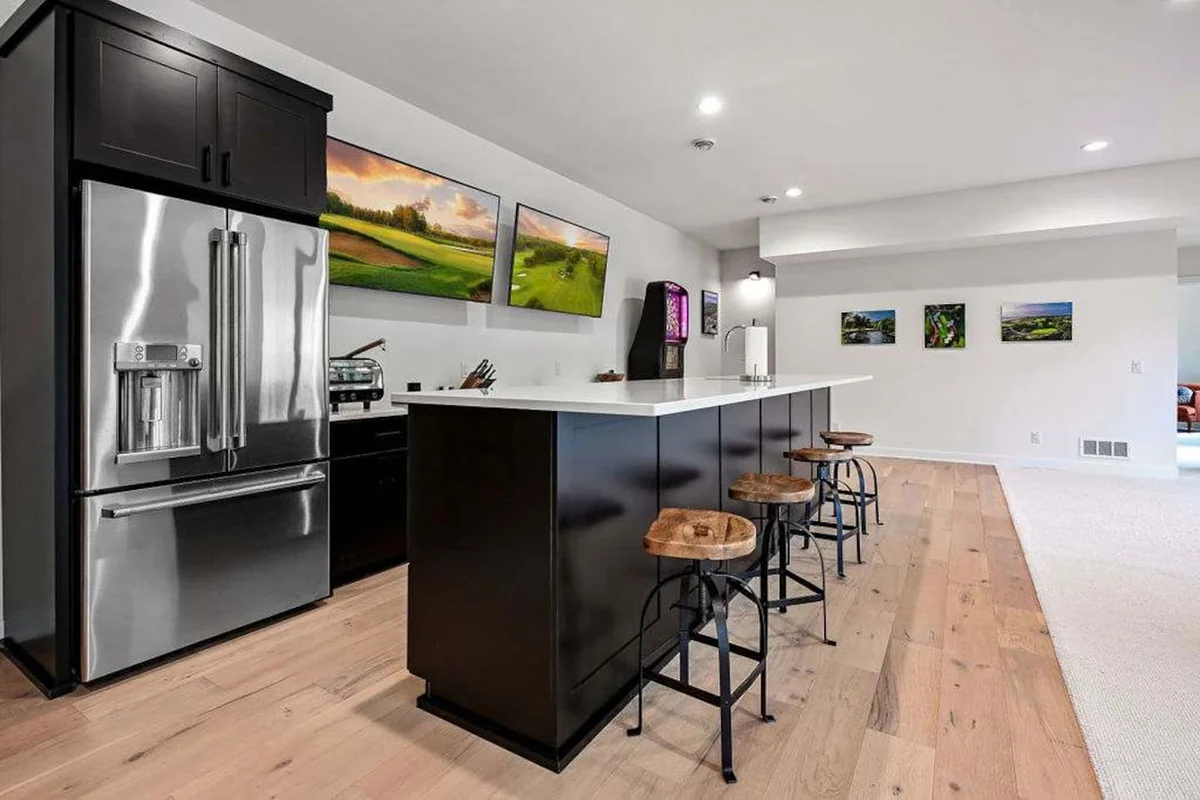
A clean, functional space for every guest · Archer Place
What Does a Wisconsin Property Manager Do for a Cabin Owner?
A vacation rental property manager is a company that runs the daily operation of a rental on the owner's behalf. Typical duties include guest communication, cleaning coordination, maintenance oversight, dynamic pricing, and listing optimization, usually backed by a local team that can reach the property quickly.
This is the gap Clear Trail Properties closes. Our local teams in Wausau, Rome, and Minocqua, plus our base in Nekoosa, handle the messages and dispatch the handyman so you do not take the call. With over 60 properties under management, we have seen most of the ways a cabin can go wrong and built routines around them.
What separates a manager from a passive caretaker
Some managers react to tickets and nothing more. Our approach starts from investor-operator thinking: we engineer each asset for yield and long-term condition. Designed by Ash, our in-house design firm, shapes interiors around what guests search for, such as golf-group sleeping layouts and hot tub and fire pit zones.
Direct bookings add a second lever. Across the Nekoosa-area homes we manage, 14% of stays come through our own direct-booking channels, which lowers reliance on platform fees and gives us owned guest relationships.
How Much Does a Property Manager Cost Per Year?
Property manager cost is a percentage of gross booking revenue, so the yearly dollar amount depends on how much your cabin earns. One industry source says short-term rental managers usually charge 25 to 40% of rental revenue; a Nekoosa-focused guide cites 15 to 30% for full service and 10 to 18% for co-hosting.
Those ranges conflict because scope differs. Some fees include cleaning coordination and supplies; others bill them separately. Always ask what the percentage is calculated on.
An illustrative example
The Nekoosa guide's own example is a cabin earning $40,000 in annual gross bookings at a 22% fee, which comes to about $8,800 a year. Substitute your own revenue and the fee quoted to you. Then subtract what you would otherwise spend on your own time and mistakes.
| Cost category | Self-manage | Co-host | Full service |
|---|---|---|---|
| Management fee | None | Lower percentage, as cited in the Nekoosa guide | Higher percentage, as cited in the Nekoosa guide |
| Your weekly hours | Highest | Moderate | Lowest |
| Pricing and listing work | You | Shared | Manager |
| Owner control | Total | High | Delegated within agreement |
| Best fit | Nearby, hands-on owners | Owners who want help but not a handoff | Out-of-state or time-starved owners |
Separately, the Nekoosa article estimates cleaning and maintenance costs, along with platform costs, at 20 to 35% of gross revenue whether or not you self-manage. Those costs do not disappear when you hire help, so compare quotes on a like-for-like basis.
Will a Property Manager Earn More Than You Would Alone?
Revenue lift from professional management is the extra income a manager generates through better pricing and listing quality. Faster response also helps. Industry claims vary widely, so treat any single number carefully; the research does not prove management alone causes the difference.
Some management companies say professional management typically increases revenue 30 to 70%. AirROI reports that in Phoenix, professionally managed listings earned $52,506 a year versus $24,711 for individually hosted ones. Both are third-party figures from outside Wisconsin, so use them as direction, not a promise.
What the Nekoosa data shows
AirROI reports typical Nekoosa listings occupied about 32% of available nights, while the top 10% reached at least 69%. That spread is real. What drives it is less clear, but pricing discipline and listing quality are the usual suspects, along with review scores.
Across the Nekoosa-area homes we manage, nightly rates averaged $398 over Nov 2026 to Nov 2026, with about 65% occupancy, and demand peaks in October. Those are our own results from our own portfolio, not a guarantee for your cabin.
Our 650 guest reviews across those homes all rated us 5 out of 5. Reviews are the revenue lever self-managing owners most often lose when maintenance slips.
What Permits Does a Wisconsin Cabin Need for Short-Term Rentals?
A Wisconsin short-term rental permit requirement is the set of state, county, and municipal approvals needed to rent a cabin to transient guests. Rules differ by location, so check each layer before your first booking rather than after a complaint.
Research for the Nekoosa area indicates that renting to transients for more than 10 nights a year may require a Tourist Rooming House license from the state, administered locally through county environmental health. The Wisconsin Department of Agriculture, Trade and Consumer Protection is the state licensing authority to confirm with.
Tax and local rules
You generally need to register with the Wisconsin Department of Revenue for sales tax. Local room-tax rules vary, so confirm the current rate with your city or town clerk. Under Wis. Stat. 66.1015, a short-term rental is a dwelling rented for fewer than 30 consecutive days, and counties have some authority to limit rentals.
Do not assume Rome rules apply in Nekoosa or the reverse. The Town of Rome forms and permits page covers Rome only. HOA covenants add another layer, and this is general information, not legal advice. Confirm current requirements with each official source.
How Does Self Manage vs Property Manager Change With Distance and Seasonality?
Distance and seasonality are the two variables that most change the value of a manager. The farther you live from the cabin, and the swingier your calendar, the more on-call local coverage is worth.
AirROI reports Nekoosa occupancy ranging from 19% in April to 62% in August, with July at 60.5% and a $588 nightly rate. A cabin that fills in summer can look easy to self-manage in July and punishing in April, when gap nights need pricing and mid-term bookings to stay productive. Mud season and late snow make April the month when an owner two states away feels the distance most.
Lake access, amenities, and wear
Docks and hot tubs raise income and raise work. Fire pits do the same. A lakefront home like Sherwood Shores Cabin, with a private dock and 4-person hot tub, needs seasonal service that a place two hours away cannot absorb easily. A cabin like Pickles Cabin, on wooded acreage, has a different issue: intermittent Wi-Fi and insects that guests need set expectations about.
Mid-term rentals of 30 to 90 days can fill winter gaps for traveling professionals and remote workers. That requires furnishing and a real kitchen, which a manager can arrange faster than a long-distance owner. Reliable Wi-Fi matters too, since a remote worker who loses connection on a Tuesday morning will leave a review about it.
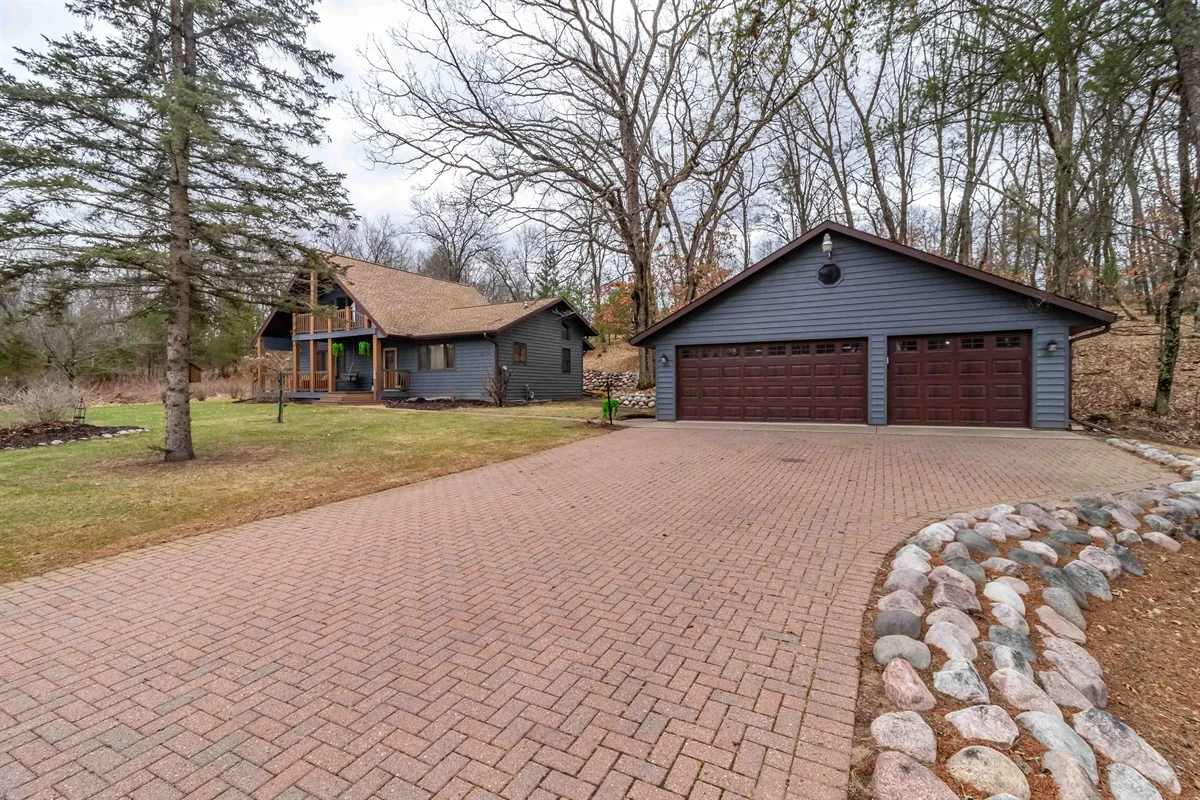
Enjoy a range of premium amenities designed for your comfort and convenience, from modern appliances to serene outdoor spaces · Brown Bear Cabin
What Are the Red Flags When Hiring a Property Manager?
Property manager red flags are warning signs in a company's contract or fees that suggest your cabin will be poorly run or your cash flow poorly protected. Poor communication counts as one as well. Catching them before you sign costs nothing; catching them after costs reviews and revenue.
Use this due-diligence checklist before you sign:
- Vague fees. Ask what the percentage is calculated on and whether cleaning, supplies, and maintenance dispatch cost extra.
- Locked listings. Confirm who owns the listing account, reviews, and guest data if you leave.
- No maintenance approval limit. You should set a dollar threshold above which the manager must ask first.
- Unclear damage handling. Ask how guest damage claims are filed and who pays upfront.
- Hard termination terms. A fair agreement states notice periods and exit costs plainly.
- Distant call center. Ask who physically reaches the cabin and how fast.
- No owner reporting. You should see bookings and payouts without chasing anyone.
Also check industry affiliations. NARPM membership signals professional standards, though it does not replace talking to current owners.
How Do You Find a Trustworthy Manager If You Live Out of State?
Finding a trustworthy Wisconsin property manager from out of state means verifying local presence and contract terms remotely, before money changes hands. Check communication habits the same way. You cannot walk the property, so you need proof of how the company behaves.
Start with a video call and ask for a walkthrough of how a turnover is inspected. Request a sample owner statement. Ask which markets the team physically covers; ours include Nekoosa, Rome, Wausau, and Minocqua, with additional reach in Appleton, Green Bay, Door County, Necedah, and New Lisbon.
The co-hosting middle path
If full handoff feels like too much, co-hosting keeps you in charge. The owner keeps full ownership and control while Clear Trail Properties handles guest communication, cleaning coordination, maintenance oversight, dynamic pricing, and listing optimization. Tools alone cannot do this; software does not answer a guest at 11 p.m. or dispatch a handyman.
Our recommendation: choose self-management if you live nearby and enjoy it. Choose co-hosting if you want control with a lighter load. Choose full service if the cabin is far away or you want it run like an investment. Skip any manager who will not show you the agreement in advance.
Frequently Asked Questions
How do I find a trustworthy property manager if I don't live near my rental in Wisconsin?
Clear Trail Properties manages cabins across Central Wisconsin with local teams in Nekoosa and Rome. Wausau and Minocqua have local teams too. To vet any manager, ask for a sample owner statement and the written agreement. Also ask who physically reaches your cabin. Confirm listing-account ownership before signing.
How much does a property manager cost per year?
Cost depends on your gross revenue. Industry sources cite 25 to 40% for short-term rental managers, and a Nekoosa-focused guide cites 15 to 30% for full service. Multiply the quoted percentage by your own annual bookings, then ask what is billed separately.
What are red flags when hiring property managers?
Watch for vague fee bases, listings the manager owns instead of you, no maintenance approval limit, unclear damage handling, hard exit terms, and no owner reporting. A manager who will not share the agreement before you commit is the clearest warning.
What does self-managing a Wisconsin vacation cabin involve?
You handle guest messages, pricing, cleaner scheduling, restocking, maintenance calls, taxes, and permits. Workload peaks at turnovers and in summer, and it grows with amenities such as docks and hot tubs.
How much time does self-managing a vacation rental take?
One industry source estimates 15 to 25 hours a month, though that is a vendor claim. Your actual time depends on cabin size, guest mix, season, and how far you live from the property.
What permits does a Wisconsin cabin need for short-term rentals?
Stays of more than 10 nights a year may require a Tourist Rooming House license, plus Department of Revenue registration for sales tax and any local zoning or room-tax rules. Requirements vary by municipality, so confirm current rules with each official source.
What services does a Wisconsin vacation rental manager provide?
Typical services include guest communication, cleaning coordination, maintenance oversight, dynamic pricing, and listing optimization. At Clear Trail Properties we add design through Designed by Ash and direct-booking channels.
Is a co-host worth it compared to full management?
A co-host fits owners who want to keep decisions and relationships while sharing the daily load. Full management fits out-of-state owners who want to step back. Co-hosting fees are typically lower, per the Nekoosa guide's 10 to 18% range.
Conclusion: Which Option Fits Your Wisconsin Cabin?
The self manage vs property manager Wisconsin cabin decision is a trade between your time and a share of revenue. Self-manage if you live close and enjoy it. Co-host if you want help without giving up control. Hire full service if distance or a busy life is slowing you down. Whatever you pick, confirm your permits and tax registration in 2026 with the state and your municipality first. At Clear Trail Properties, we pair local, on-the-ground care with investor-level thinking. Every stay and every owner relationship gets the same attention to detail.
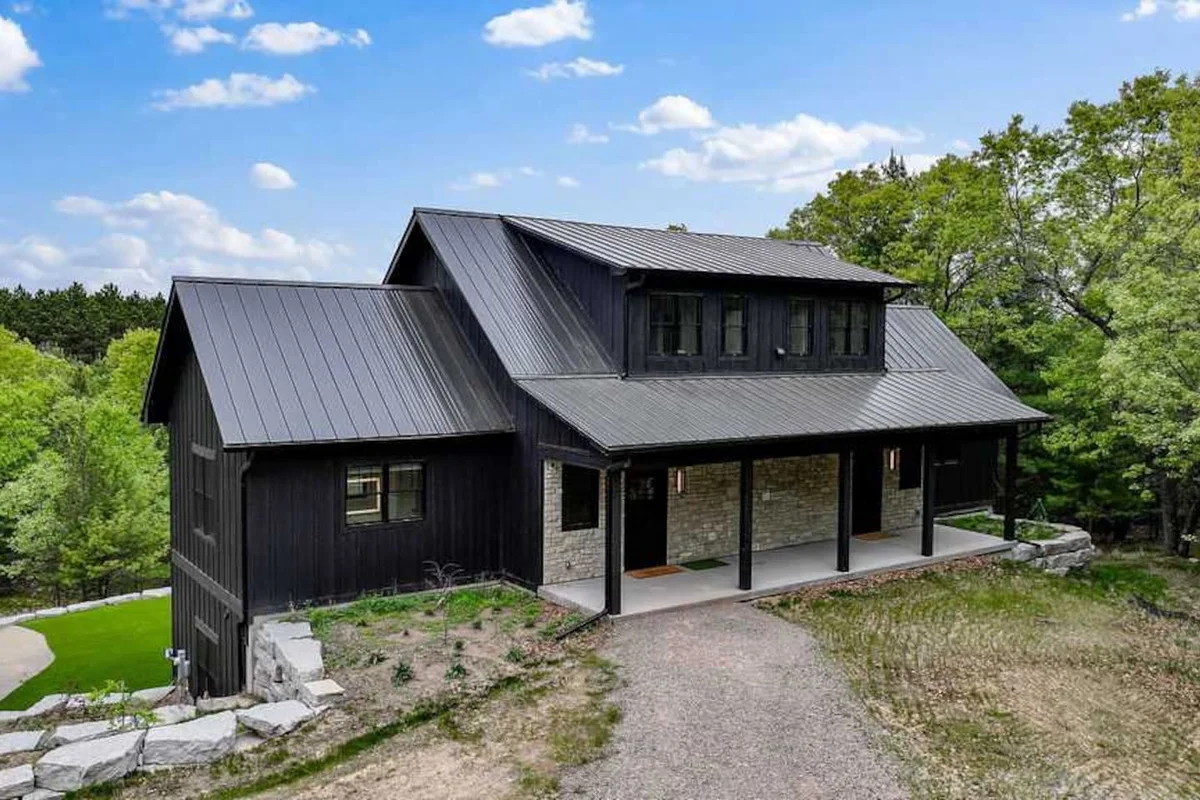
A welcoming facade that sets the tone. · Archer Place
If you own a cabin or lake home in Central Wisconsin or Northern Michigan and want it run like an investment, not a side job, contact Clear Trail Properties to talk through full-service management or co-hosting. With over 60 properties under management, our local team keeps your evenings free.
Written by Ashley Lang, Owner, CEO at Clear Trail Properties