How to Find a Co-Host for My Airbnb: A 2026 Owner Guide
Find a co-host for your Airbnb by checking the Co-Host Network, vetting candidates, and signing a clear scope. Full 2026 owner guide with typical costs.
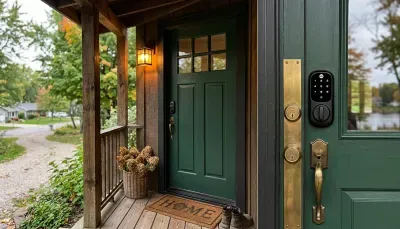
Owners who ask how to find a co-host for my short-term rental need five moves: decide which tasks to hand off, search the Co-Host Network and local referrals, interview candidates, agree on a written scope and fee, then send an invite with limited permissions. Clear Trail Properties walks Wisconsin owners through this exact sequence.
Key Takeaways
- A co-host is an independent person or company you authorize to run parts of your listing while you keep ownership and final say.
- Industry benchmarks put co-hosting fees at roughly 10-18% of booking revenue, versus 15-30% for full-service management; treat these as ranges, not quotes.
- The Co-Host Network lists providers who meet minimums such as a 4.8 average guest rating and a cancellation rate below 3%, but a profile alone does not prove fit.
- A written scope of work, a 60 to 90 day trial, and least-privilege permissions protect you more than any profile badge.
- Wisconsin owners should confirm state lodging licensing and local short-term rental rules before a co-host accepts a single booking.
A co-host is the middle option between running everything yourself and handing the whole property to a manager. Wisconsin gives that option real stakes: the Wisconsin Department of Tourism reported a record 117.9 million visits in 2026, and lodging was the largest visitor spending category at $4.6 billion. In 2026, more of that demand books through short-term rentals, and owners feel it in their message inboxes.
At Clear Trail Properties, we manage over 60 properties across Central Wisconsin and Northern Michigan, and the co-host question comes up in nearly every owner conversation we have. The owners who get the best results treat hiring as a vetting exercise, not a quick invite.
This guide gives you seven steps, from deciding what to delegate to sending the invite, plus the local compliance and contract details most guides skip.
Step 1: What Does a Short-Term Rental Co-Host Do, and Which Tasks Should You Hand Off?
A co-host is a person or company you authorize to manage parts of your listing while you keep ownership, the account, and final say. The platform describes six services in a full-service co-hosting offer: listing setup, pricing and availability, booking requests, guest messaging, on-site guest support, and cleaning.
You do not have to buy all six. The request workflow lets you choose full-service support or individual services. Our advice: start with the tasks that interrupt your evenings, usually guest messaging and pricing. Cleaning coordination comes next if you live more than an hour from the property.
| Task | Hand it off when | Keep it when |
|---|---|---|
| Guest messaging | You answer inquiries after work or live out of state | You enjoy the guest relationship and bookings are infrequent |
| Pricing and availability | You still use one flat nightly rate year-round | You already adjust rates weekly with solid market data |
| Cleaning coordination | Turnovers cluster on weekends and you cannot be there | You live next door and trust your own crew |
| On-site guest support | You are hours away when a lockout or outage happens | You can reach the property in minutes |
| Listing setup and photos | Photos are dated or the listing underperforms in search | The listing is recent and converting well |
Step 2: Is a Co-Host Worth It for Your Property?
A co-host is worth it when the fee you pay is smaller than the revenue and time they recover through better pricing, fewer gap nights, and faster guest replies. Compare the fee against results, not against other quotes.
The evidence for pricing help is concrete. A 2026 study of 541 listings across 34 countries, reported by PriceLabs, found that listings using dynamic pricing saw an average 36.3% increase in gross revenue per unit. AirROI reports average annual short-term rental revenue of $32,167 in Nekoosa for its August 2026 to July 2026 dataset, though datasets differ in how they count listings, so use that as a reference point only.
| Model | Typical fee benchmark | Who does the daily work | Best for |
|---|---|---|---|
| Self-managing | Your own time | You | Owners who live near the property and enjoy hosting |
| Co-hosting | Roughly 10-18% of booking revenue | Shared, based on your written scope | Owners who want control with operational support |
| Full-service management | Roughly 15-30% of booking revenue | The management company | Out-of-state owners who want a hands-off arrangement |
These are industry ranges, not quotes. Co-hosting costs less, but you still field the occasional 2 a.m. maintenance call unless the scope says otherwise.
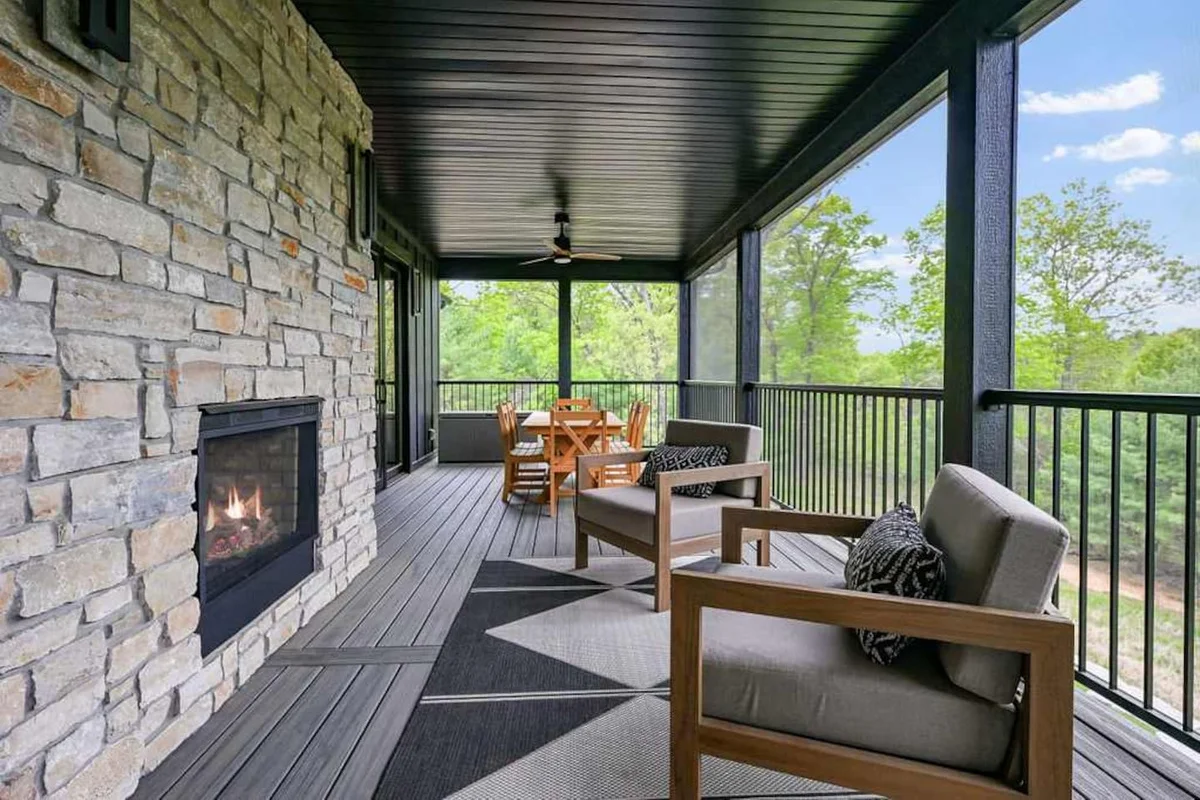
Perfect for morning coffee or sunset views · Archer Place
Step 3: How Do You Find a Co-Host for Your Listing?
You find a co-host through one of three routes: the in-app Co-Host Network, referrals from local hosts and property professionals, or co-hosting companies operating in your market. Each route trades convenience against local accountability.
Route 1: The Co-Host Network
The Co-Host Network lets you enter your property address to see providers nearby, or submit a request describing the help you need. Profiles show experience, past reviews, listings hosted, services, and pricing. The platform says network profiles are ranked using factors including location, engagement, and quality. Message several candidates before you choose one.
Route 2: Local Referrals
Ask hosts who run properties like yours: lake cabin owners if you own a lake cabin, golf-trip homes if you sit near Sand Valley. Local short-term rental groups and property professionals with NARPM affiliations are also worth a call. A referral tells you how a co-host behaves in January, not just in July.
Route 3: Local Co-Hosting Companies
A company with a local team covers vacations, sick days, and storms in a way a single freelancer cannot. If you live out of state, this is the route we recommend most. Ask whether the people who will respond to your guests actually live in your market. Our teams in Wausau, Rome, and Minocqua exist for that reason.
Step 4: What Signals Show a Co-Host Is Qualified?
A qualified co-host meets platform thresholds and can show a track record on properties similar to yours. According to the platform's Help Center, providers joining the Co-Host Network need 10 or more hosted stays in the past 12 months, or 3 or more stays totaling at least 100 nights, plus verified identity, an average guest rating of at least 4.8, and a cancellation rate below 3%.
To appear in network search results, co-hosts need a rating of at least 4.7. A completed profile may take a few weeks to appear once eligibility is confirmed.
Treat those numbers as a floor. Ask how many listings the co-host carries at once, because a person juggling too many properties answers slowly. Check reviews on the listings they already manage, and read the guest comments about cleanliness and communication rather than the star average.
Also confirm insurance and licensing. A co-host who cannot explain their coverage or local permit knowledge is a liability, whatever the profile says.
Step 5: How Do You Interview and Test a Co-Host Before You Commit?
A co-host interview is a structured conversation where you test judgment, response speed, and local knowledge before any invite goes out. Profiles rarely reveal how someone handles pressure, so use scenarios.
- A guest reports no hot water at 9 p.m. on a Friday. Who do they call, and what happens in the next hour?
- A golf group asks for a 1 p.m. check-in on a busy summer weekend. How do they decide?
- A January cold snap threatens the pipes in a vacant cabin. What is the checklist?
- A guest arrives with a second dog not listed on the booking. What does the pet policy require?
Then ask for two owner references with similar property types, and call them. Ask how the co-host reports results, whether they use subcontracted cleaners, and how many properties they cover in your area.
Finally, start with a 60 to 90 day trial and a scheduled review. Define success first: response time, review scores, calendar fill, and how clean the property feels at arrival. If the numbers slip, you exit with minimal damage.
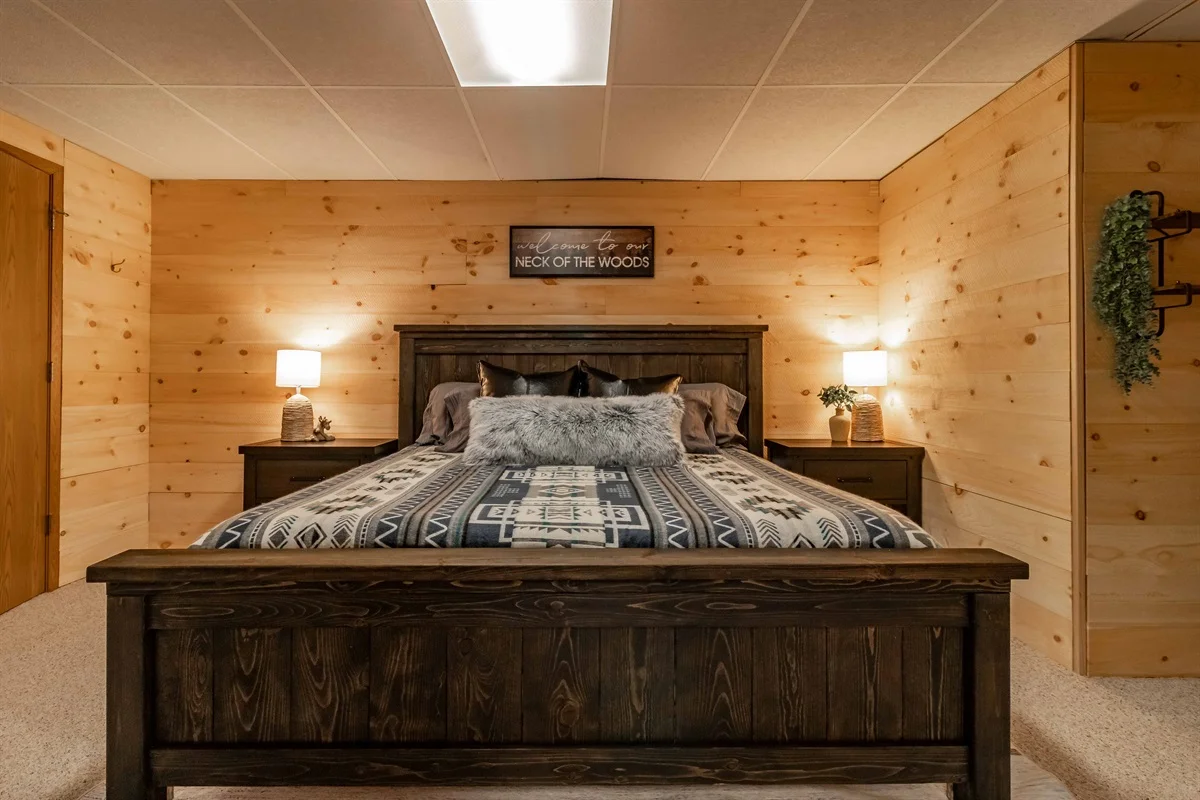
Tranquil and welcoming—enjoy ultimate comfort in our carefully curated bedroom. · Brown Bear Cabin
Step 6: What Should a Co-Hosting Agreement Include?
A co-hosting agreement is a written scope of work that spells out who does what, how fees are calculated, and how either side exits. The platform suggests documenting the partnership, and its terms state that hosts pay co-host service fees, with the amount, timing, and payment method set between you and the co-host. The platform does not take a portion of those fees.
Here is what we put in every agreement:
- Scope and response times: the exact tasks covered and how fast guests get answers.
- Fee structure: flat monthly fee, per-booking fee, or percentage of revenue.
- Spending authority: a dollar limit for repairs a co-host can approve without calling you.
- Escalation rules: what counts as an emergency and who gets the call.
- Reporting: monthly performance summary and access to guest communication history.
- Termination: notice period and what happens to the listing, reviews, and guest data.
- Liability and insurance: who covers damage, injury, and mistakes.
Compare fee structures using a realistic month, not a best case. A flat fee favors high-revenue properties. A percentage aligns the co-host with your income. A per-booking charge rewards volume over rate, so check it against your average stay length. Avoid any co-host who will not put the scope in writing.
Step 7: How Do I Add a Co-Host to My Listing?
Adding a co-host means sending an invitation from your listing and choosing which permissions the co-host receives. The co-host accepts, and from that point they can act within the access you granted.
Apply least-privilege access. Give messaging and calendar control first, and widen access as trust builds. The invite flow lets you configure access when you send the invite, so you do not need to hand over everything on day one.
Permissions and payouts are separate decisions. Sharing a payout split, where it is available for your location, is something you confirm independently of listing access. Many owners prefer to keep the payout in their own account and pay the co-host's fee separately under the written agreement. That keeps your books clean and your bank details private.
How Does Clear Trail Properties Handle Co-Hosting for Wisconsin Owners?
Co-hosting with Clear Trail Properties is a service in which our local team handles guest communication, cleaning coordination, maintenance oversight, dynamic pricing adjustments, and listing optimization while you keep full ownership and control of your home. We built it for owners who are not ready to hand over everything.
The difference from a freelance co-host is local presence and operator discipline. Our team lives in the markets it serves, including Wausau, Rome, and Minocqua, and we also support owners in Appleton, Green Bay, and Door County. We treat each property like an investment, tuning for yield and RevPAR rather than just keeping the lights on.
Design and direct bookings matter here too. Through our design firm, Designed by Ash, we stage spaces that perform in search results. Our direct-booking approach keeps guest data in your hands and reduces reliance on platform fees, and our Radical Gifting habit builds the loyalty that brings guests back.
Property-level detail is where this shows. Wildwood Retreat, 2.5 miles from Sand Valley Golf Resort, needs a co-host who understands golf-weekend arrival patterns. Wildwood Retreat sleeps up to 12 and has a hot tub and infrared sauna, so turnover standards have to be strict. Sherwood Shores Cabin carries a $100 hot tub cleaning fee only if extra cleaning is needed after use, a rule someone must enforce fairly. You can see how we present properties across our portfolio of managed homes.
What Local Rules Should You Check Before Hiring a Co-Host in Wisconsin?
Short-term rental compliance in Wisconsin means state lodging licensing plus municipal rules that differ town by town, so confirm both before a co-host accepts a booking. A co-host should know these rules, but you remain the owner.
Start with the Wisconsin Department of Agriculture, Trade and Consumer Protection, which handles tourist rooming house licensing. Then check your municipality. The Town of Rome, for example, publishes a short-term rental page and zoning permit forms. Also confirm lodging tax obligations with the Wisconsin Department of Revenue.
Requirements, fees, and deadlines change periodically, so verify the current figure and process with the official source rather than relying on a co-host's memory. Ask any candidate how they track permit renewals, and who is responsible if a permit lapses. Put the answer in your agreement.
How Should a Co-Host Price Around Wisconsin's Seasons?
Seasonal pricing for a Central Wisconsin short-term rental means adjusting nightly rates and minimum stays around lake, golf, and snowmobile demand rather than holding one rate all year. Nekoosa-area occupancy swings widely between a slow March and a strong July, and AirROI identifies June through August as the peak.
That swing is why static pricing leaves money on the table. Ask any co-host candidate how they handle March, how they price shoulder weekends around Sand Valley and Lake Petenwell, and when they would consider mid-term stays of 30 to 90 days to bridge slow months. Vague answers are a signal to keep looking.
Request a sample pricing calendar for a similar property. A good co-host can explain their reasoning in plain language, and you should expect to adjust it together during the first season.
What Mistakes Do Owners Make When Hiring a Co-Host?
The most common co-host mistake is choosing on fee alone and skipping the vetting steps above. Here are the ones we see most often:
- Skipping the written scope. Verbal deals collapse the first time a guest complains.
- Granting full access immediately. Start narrow and widen access after a clean trial period.
- Ignoring capacity. A co-host carrying too many listings answers slowly, and guests notice.
- Assuming permits are covered. Licensing stays your responsibility even when someone else runs the calendar.
- Never reviewing results. Set a monthly check on occupancy, rates, reviews, and expenses.
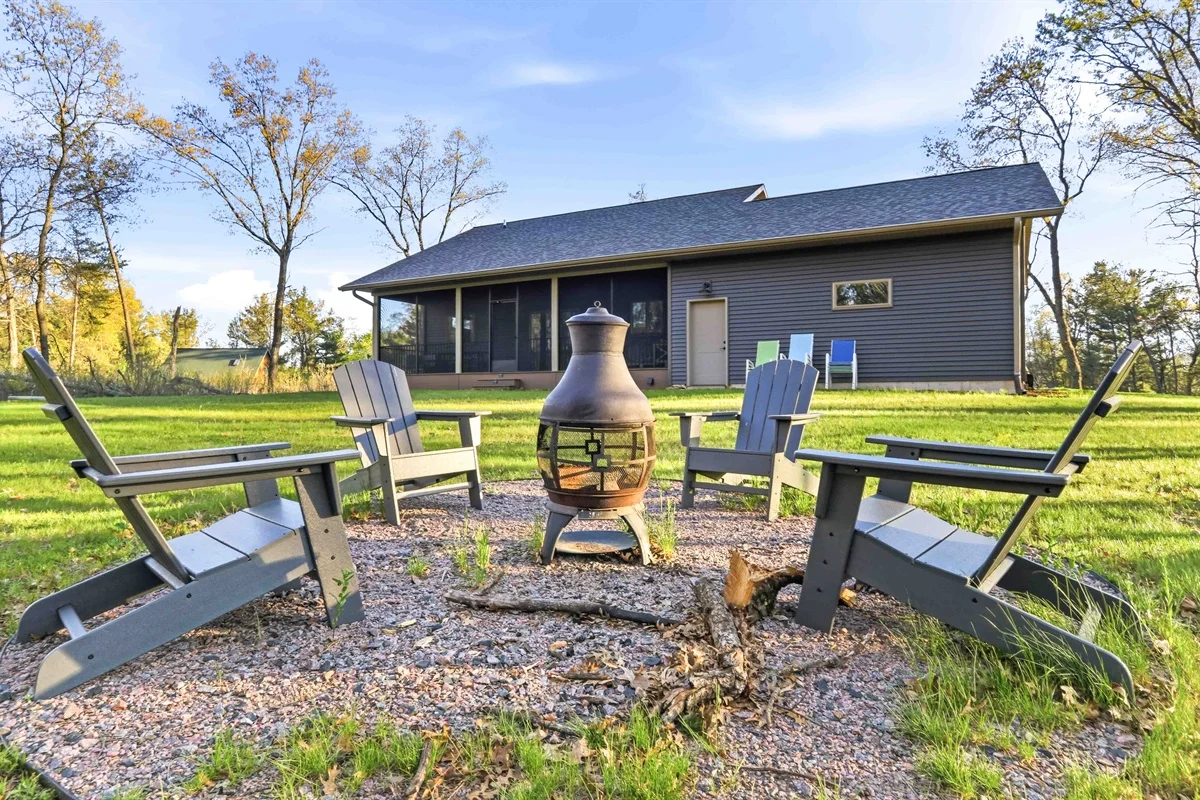
Best experienced outdoors, where cozy fireside moments meet wide-open countryside calm. · Birdie Bunkhouse
What Are the Steps to Find a Co-Host at a Glance?
The process to find and onboard a co-host follows seven steps, summarized here for quick reference.
- Decide which tasks to hand off: messaging, pricing, cleaning, on-site support, or all of them.
- Check that the fee is justified by recovered revenue and time.
- Search the Co-Host Network, local referrals, and local co-hosting companies.
- Verify qualifications: rating, stay history, cancellation rate, insurance, and licensing knowledge.
- Interview with scenarios, call references, and plan a 60 to 90 day trial.
- Sign a written scope covering fees, spending limits, reporting, and termination.
- Send the invite with limited permissions and keep payouts a separate decision.
Frequently Asked Questions
How do I invite a co-host to my listing?
You send an invitation from your listing and choose the permissions the co-host will have. The co-host must accept before they can act on the listing. Start with messaging and calendar access, and expand only after the trial period goes well. For a lake cabin or golf-weekend home, add cleaning coordination once you have seen two or three clean turnovers.
How does the Co-Host Network work?
The network lets you enter a property address or submit a request describing the help you need, then compare provider profiles. Profiles show experience, reviews, listings, services, and pricing. You message candidates directly and agree on fees with the one you choose, since the platform does not take a portion of co-host service fees. In a smaller market like Nekoosa or Rome, expect a short list, so supplement it with local referrals.
Who are the best co-hosts in Appleton, Wisconsin?
Clear Trail Properties offers co-hosting for Wisconsin owners, including Appleton, Green Bay, and Door County, covering guest communication, cleaning coordination, maintenance oversight, dynamic pricing, and listing optimization. When comparing any option, check local presence, written scope, reviews on similar properties, and references from current owners. Ask each candidate who answers a guest call during a January storm.
How do I find a trustworthy property manager if I don't live near my rental in Wisconsin?
Look for a team that physically lives and works in your market, and ask who responds when a guest calls at night. Request owner references, confirm insurance and licensing knowledge, and check professional affiliations such as NARPM. Start with a trial period and monthly reporting so you can see results from a distance. Winter matters most: ask how they handle frozen pipes and snow removal at a vacant cabin.
What is the difference between a co-host and a property manager?
A co-host handles the tasks you assign while you keep control of the listing and decisions. A full-service property manager takes over daily operations more broadly. Industry benchmarks put co-hosting at roughly 10-18% of booking revenue and full-service management at 15-30%. If you live two hours from a Northwoods cabin and want no midnight calls, full-service is usually the better fit.
How much does a co-host cost?
Fee levels are set between you and the co-host, and may be a flat fee, a per-booking charge, or a percentage of revenue. Typical industry ranges for co-hosting run about 10-18% of booking revenue. Compare quotes by modeling a realistic month of bookings, including a slow March and a busy July, since a percentage fee and a flat fee compare very differently across those months.
Can I still use my property personally if I hire a co-host?
Yes, because you keep ownership and control of the home. Build owner-use dates into your written agreement so the co-host blocks the calendar and schedules cleaning around your stay. Block your own fall weekends and holiday weeks early, since those dates book fast in lake and golf markets.
What Should You Do Next to Find Your Co-Host?
The short answer on how to find a co-host for my rental is to define the tasks, search several routes, interview with real scenarios, and sign a written scope before you send an invite. Fees matter, but results, local presence, and clear boundaries matter more.
Start this week by listing the three tasks that cost you the most time, then shortlist two or three candidates to interview. As Wisconsin tourism keeps growing in 2026 and beyond, the owners who set up clean agreements now will be the ones who scale without burning out.
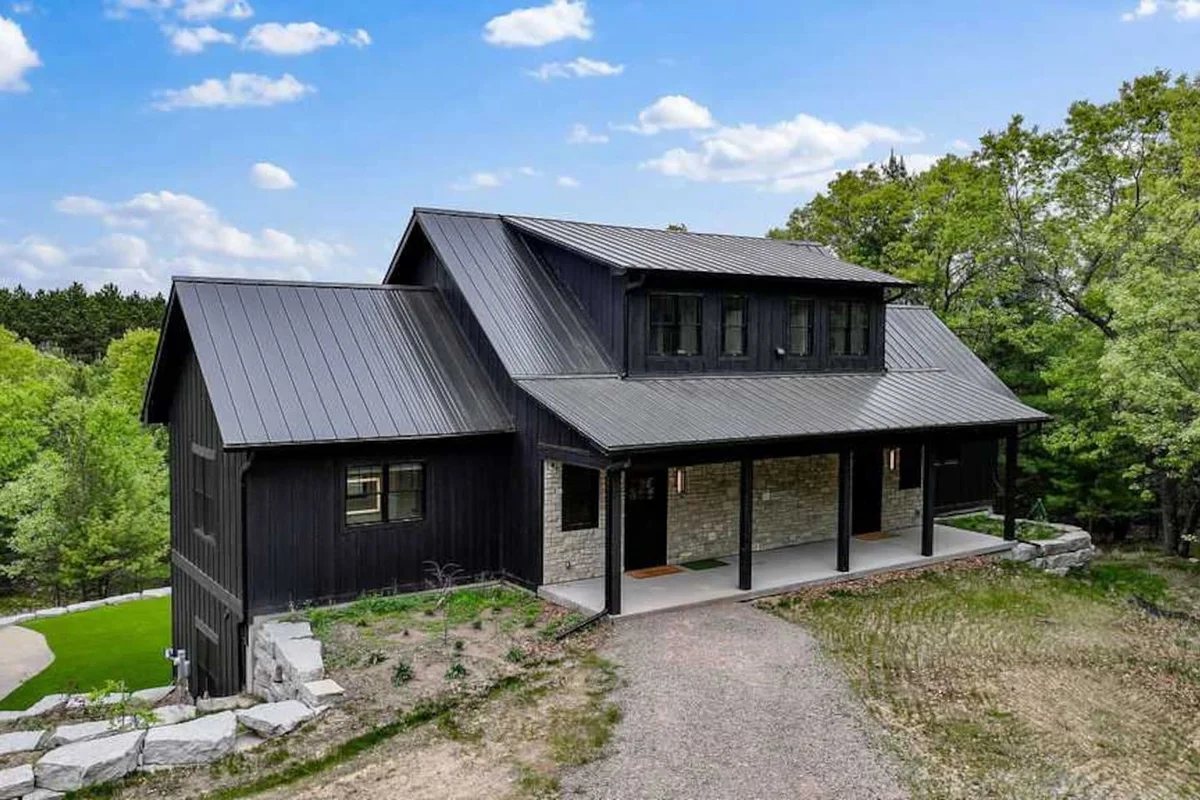
A welcoming facade that sets the tone. · Archer Place
Not ready to hand over full management? Clear Trail Properties offers a co-hosting service that gives you the support of a professional operator while you stay in the driver's seat. With over 60 properties under management and local teams in Wausau, Rome, and Minocqua, we can talk through which tasks to delegate for your property.
Written by Ashley Lang, Owner, CEO at Clear Trail Properties