Dynamic Pricing for Wisconsin Vacation Rentals: 2026 Review
Dynamic pricing for Wisconsin vacation rentals, reviewed: how rate tools work, seasonal demand, price floors, and when a local co-host beats software.
Dynamic pricing for Wisconsin vacation rentals means letting nightly rates move with season, weekday, local events, and booking lead time instead of holding one fixed rate all year. For most Wisconsin cabin owners, the strongest setup in 2026 is pricing software with a hard price floor, reviewed weekly by someone who knows your local calendar. At Clear Trail Properties, we manage over 60 properties across Central Wisconsin and Northern Michigan, so this review reflects how we price homes near Sand Valley, Lake Petenwell, Wausau, and Minocqua.
Key Takeaways
- Dynamic pricing adjusts nightly rates to demand. A 2026 study of 541 Airbnb listings found an average 36.3% gain in gross revenue per unit, though results in a seasonal Wisconsin market will differ.
- Software alone is not enough. Your base rate, price floor, and minimum stays decide whether the tool helps or hurts.
- Wisconsin demand follows lake season, fall color, golf, and winter trail traffic. Statewide events like Summerfest matter far less to a Northwoods cabin than they do to a Milwaukee condo.
- Our Nekoosa-area homes peak in October, which is later than market-wide occupancy tables suggest.
- Fixed seasonal rates suit a first-season host; software suits an owner who checks the calendar weekly; manager-run pricing suits out-of-state owners.
- Taxes, permits, and local zoning vary by municipality, so confirm current rules with the official source before you set a floor.
Most pricing guides assume a beach condo or a city apartment. A Northwoods lake cabin behaves differently. Demand swings from a packed July weekend, with pontoon boats idling at the landing and the smell of campfire smoke on every deck, to a quiet spring when the lake is still gray. A golf group booking near Sand Valley Golf Resort follows different logic than a couple chasing fall color.
This review compares three ways to price a Wisconsin rental, walks through the setup rules most guides skip, and flags where software falls short. If you already answer guest messages at 10 p.m., pricing is the half of the job that is easiest to fix.
What Is Dynamic Pricing for Wisconsin Vacation Rentals?
Dynamic pricing for Wisconsin vacation rentals is the practice of adjusting a cabin or lake home's nightly rate automatically or on a frequent schedule. The adjustments are based on season, day of week, local events, competitor rates, and how far ahead the stay is booked. Static pricing sets one rate per season and leaves it alone. Dynamic pricing treats every night as its own product.
According to a 2026 study of 541 Airbnb listings in 34 countries, reported by Your.Rentals and PriceLabs, properties using dynamic pricing saw an average 36.3% increase in gross revenue per unit. They also saw a 37.3% increase in nights booked per unit. Their ADR fell by an average of 0.7%. AvantStay's 2026 analysis puts the typical annual lift at 10% to 40%. Neither figure is Wisconsin-specific, so read them as direction, not a promise.
That small ADR dip is the useful detail. Dynamic pricing often wins by filling nights, not by raising every rate. In a market with long quiet stretches, a discounted Tuesday in February beats an empty one, because a booked night means a guest stomping snow off boots in the entry and a fireplace worth lighting.
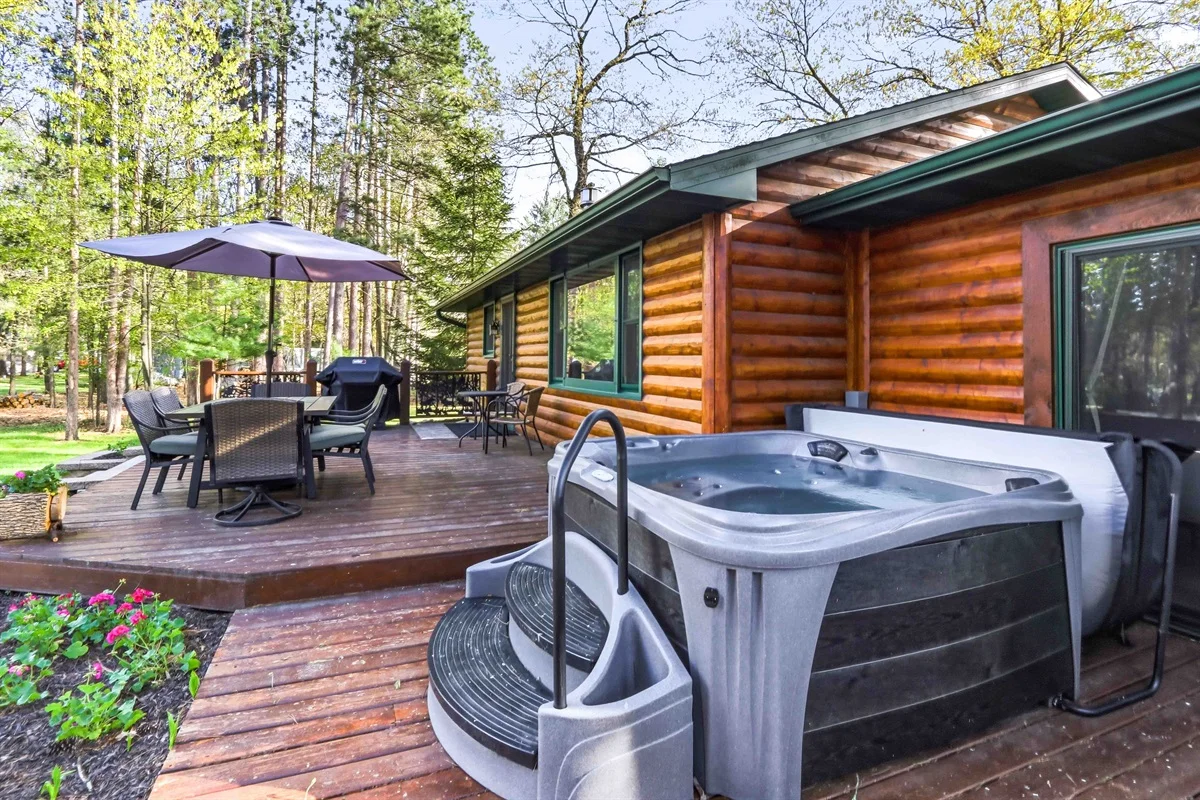
Soak under the stars, dine on the deck, and unwind in a peaceful wooded setting made for easy cabin living. · Sherwood Shores Cabin
Which Dynamic Pricing Approach Fits a Wisconsin Cabin Best?
A dynamic pricing approach is the method you use to decide each night's rate. Most Wisconsin hosts choose between fixed seasonal rates and pricing software, though manager-run pricing is a third option. We scored each on five criteria: fit with Wisconsin seasonality, owner control, weekly time required, guardrail strength, and cost transparency.
| Approach | Owner control | Weekly effort | Main weakness |
|---|---|---|---|
| Fixed seasonal rates | Full | Low until the calendar goes stale | Misses event spikes and last-minute gaps |
| Pricing software | High, through floors and overrides | Moderate | Depends on your base rate; cannot answer a guest |
| Manager or co-host pricing | Shared; you set the goals | Low for you | Costs a fee; needs alignment on goals |
Fixed Seasonal Rates
Pros: Simple and predictable, and easy to explain to a co-owner. You can print the rate card, tape it inside a cabinet door, and quote it from memory when a guest calls. Cons: A July rate that looked right in spring leaves October Sunday nights unsold, and nothing adjusts when a gap appears three weeks out. You notice it when the calendar shows a blank block while the maples outside are at full red. Best for: a first-season host with one property and light booking volume.
Pricing Software
Pros: Rates recalculate daily, and you can set a minimum price and override single dates. You open the calendar on a Monday morning and find Tuesday-night gaps already discounted and a holiday weekend already raised. Wheelhouse's published research documents a 22% average revenue improvement for properties using dynamic pricing tools. Cons: A thin comparable set can underprice a hot tub lodge, and Wisconsin-specific demand, like a trail-conditions weekend, usually needs a manual override. A tool cannot feel the first hard freeze that sends snowmobilers north. Best for: owners who check the calendar every week.
Manager-Run Pricing
Pros: Someone watches booking pace, changes minimum stays, and ties pricing to listing quality. A local team also walks the property, smells the musty mudroom, and notices the worn deck stairs that drag down reviews and rates. Cons: You pay for it, and quality varies by operator. Best for: out-of-state owners and anyone with more than one home. At Clear Trail Properties, pricing sits alongside guest communication and cleaning coordination. Maintenance oversight is part of the work too, and the owner keeps full control of the property.
What Drives Nightly Rates in Minocqua and the Northwoods?
Nightly rate drivers in Minocqua and the wider Northwoods are the demand signals that change what a guest will pay: season, weekday, lake or trail access, local events, and booking lead time. Summer lake season is typically the strongest stretch for Northwoods towns like Minocqua, when the chain of lakes fills with boats and docks are booked solid. Fall color and winter trail and ice fishing weekends fill in around it. Your own booking pace is the final check. We do not have Minocqua-specific rate data to publish here, so pull comparable listings for your lake and sleeping capacity, then set your peak rates against your own pace.
Statewide events matter less than owners expect. Summerfest in Milwaukee, EAA AirVenture in Oshkosh, and Green Bay Packers home weekends lift rates in those cities. A cabin two hours north rarely benefits, so do not copy a Milwaukee event calendar into your rate rules.
Golf adds its own pattern. Homes near Sand Valley price golf-heavy weekends differently from a slow February midweek. Across the Nekoosa-area homes we manage, demand peaks in October, while StaySTRA's Nekoosa-area occupancy table peaks in July.
| Month | Nekoosa-area occupancy (StaySTRA) | Typical demand driver |
|---|---|---|
| January | 36% | Winter trail and ice fishing weekends |
| March | 35% | Thaw season, soft demand |
| June | 62% | Lake season opens |
| July | 70% | Peak lake and golf travel |
| August | 62% | Late-summer lake and golf |
| October | 44% | Fall color and golf groups |
How Does Vacation Rental Pricing Software Work?
Vacation rental pricing software is a rate-recommendation engine that compares your calendar against market demand and then updates your nightly prices on a schedule. Lodgify's dynamic pricing feature, powered by Beyond, checks rates daily and generates rates for dates up to 18 months ahead. PriceLabs and Wheelhouse are other widely used engines.
The inputs are consistent across tools: seasonality, day of week, local events, competitor sets, past reservations, booking lead time, and market availability. You supply the guardrails. With Lodgify, owners set a minimum price and override individual dates. They can also switch dynamic pricing off and return to manual rates.
Our view at Clear Trail Properties: treat software output as a first draft. A tool sees comparable listings, but it does not know that your home has a dock and a hot tub. It also does not know about the three-minute walk to a public beach. You do, and those details decide whether the recommended rate is too low.
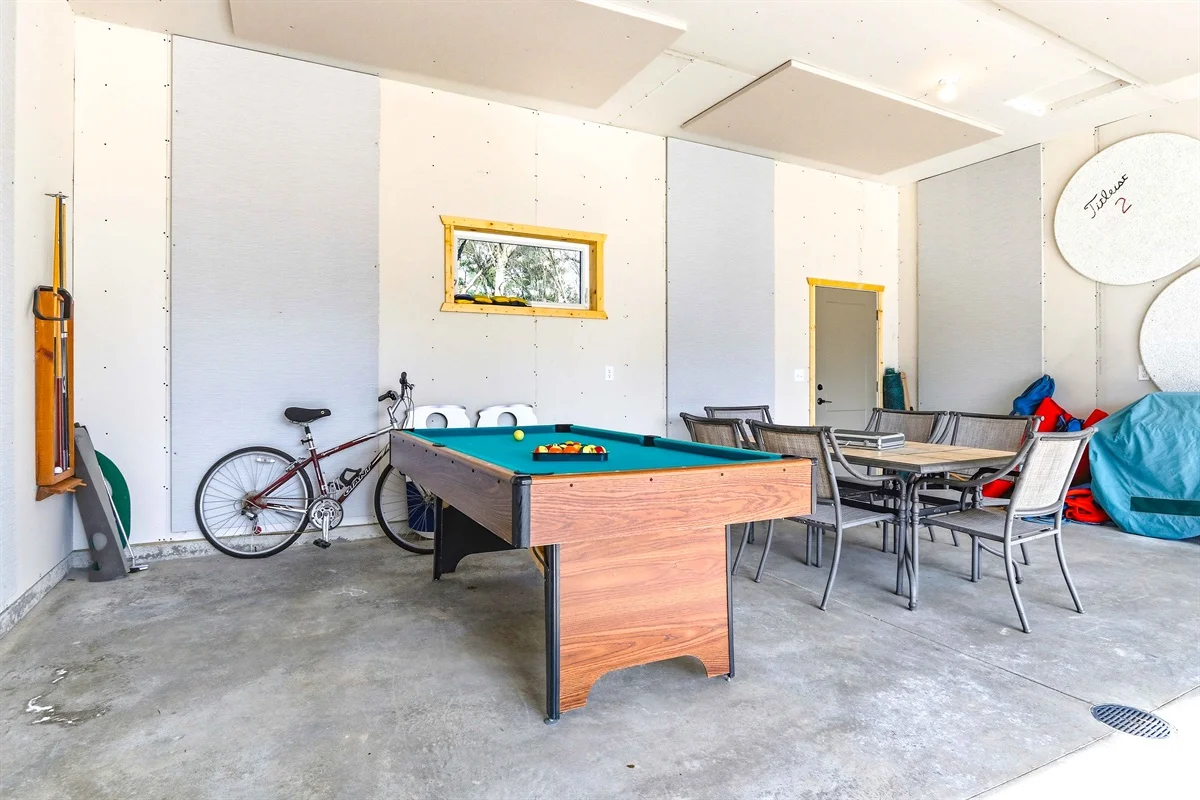
Your pool table is the centerpiece and it's full-size. Bike for trail rides, patio chairs for breaks in between — the garage earns its keep all weekend. · Birdie Bunkhouse
How Do You Set Up Base Rates, Floors, and Minimum Stays?
A pricing setup is the set of starting rules you give a tool or manager before any automation runs: base rate, price floor, price ceiling, minimum stay, and discounts. Wisconsin owners can build it in seven steps.
- Compare your home to current listings with similar sleeping capacity and amenities such as a dock, hot tub, or golf access, then set a base rate from that comparison. A lakefront log cabin like Sherwood Shores Cabin belongs in a different comparison set than an inland house.
- Set a price floor from your costs: cleaning, utilities, supplies, and your own minimum return.
- Set a ceiling for peak dates so the tool does not price out repeat guests.
- Set minimum stays: longer for peak weekends and holidays, shorter for midweek and shoulder months.
- Add weekly and monthly discounts. In slow winter months, mid-term stays can fill what nightly guests leave empty.
- Create gap-night rules that relax the minimum stay as the date approaches and discount orphan nights.
- Review booking pace weekly and adjust.
A calendar full of gaps often means your rates or minimum stays are too restrictive. Check minimum stays first; they cost bookings quietly. Dropping the rate is the blunter fix.
What Wisconsin Rules and Taxes Touch Your Pricing?
Wisconsin short-term rental compliance is the combination of state tourist rooming house licensing and local zoning or permit rules. Lodging and sales tax obligations also sit underneath every nightly rate. Requirements differ by municipality, and they change, so confirm current rules before you set a floor.
Start with the Wisconsin Department of Agriculture, Trade and Consumer Protection tourist rooming house page for state licensing. For local permits, the Town of Rome forms and permits page is the place to find current short-term rental filings. Ask the Wisconsin Department of Revenue about lodging tax and filing obligations.
These rules affect pricing in practical ways. Taxes and fees sit on top of your nightly rate, so your floor should reflect what you keep. A zoning permit may cap occupancy, which limits how many guests you can price for. If your home sits in a lake community or HOA, check the association's rental rules too. This is general information, not legal or tax advice.
What Do Property Managers Do for Vacation Rental Pricing?
A vacation rental property manager is an operator who handles guest messaging, turnover and cleaning coordination, dynamic pricing, maintenance oversight, and compliance or financial reporting. For pricing, that means reviewing booking pace and overriding the tool for local events. It also means adjusting minimum stays and tying rates to listing quality.
The advantage is attention, not a better algorithm. A tool does not answer a guest at 11 p.m. or dispatch a handyman, and your pricing suffers when reviews slip. At Clear Trail Properties, our local teams in Wausau and Rome watch pricing next to cleaning and guest communication. Our Minocqua team does the same. Designed by Ash, our in-house design firm, builds spaces that photograph well and support higher rates.
Amenities set the base. A home like Brown Bear Cabin, with a private hot tub and an indoor mini putt course, prices differently from a similar floor plan without them. About 14% of stays at the Nekoosa-area homes we manage come through our own direct-booking channels, which also reduces dependence on platform fees. Co-hosting is the middle path for owners who want help without handing over control.
How Do You Know Dynamic Pricing Is Working?
Measuring dynamic pricing means tracking occupancy and average daily rate together with revenue per available night. A rising rate with collapsing occupancy can lower total income. Our Nekoosa-area homes averaged $398 per night and about 65% occupancy from November 2026 through November 2026, generating $1,289,622 in bookings.
Benchmarks vary. AirROI reports Nekoosa listings averaging $473 per night and 41% occupancy over the past year. Providers measure different months and geographies, and their listing samples differ too. Any single benchmark is therefore a reference point, not a target. Compare against homes with the same sleeping capacity and amenities. Match lake or golf access as well.
Avoid these common mistakes:
- Overriding the tool every day until it has no signal to learn from
- Setting a floor so low that slow weeks sell at a loss after cleaning
- Ignoring minimum stays while chasing rate
- Copying a statewide average instead of a like-for-like set
Frequently Asked Questions
What is the best dynamic pricing software for vacation rentals?
No single tool wins for every Wisconsin owner. Beyond (the engine behind Lodgify's pricing feature), PriceLabs, and Wheelhouse are widely used. Compare them on price floor controls and date overrides, plus how far ahead they price and whether you can switch back to manual rates.
Is dynamic pricing worth it for a single vacation rental?
Often yes, if your cabin sits in a seasonal market with clear peaks and quiet stretches. It only pays off if you review the calendar weekly. If you will not, fixed seasonal rates with a few manual event bumps are safer than software left unattended.
When is peak season for Minocqua vacation rentals?
Summer lake season is typically the strongest period for Minocqua and similar Northwoods towns. Fall color and winter trail weekends are secondary peaks. The pattern shifts by property type, so confirm it against your own booking pace and comparable listings.
Should I use dynamic pricing or fixed seasonal rates?
Use fixed seasonal rates if you host occasionally and rarely check your calendar. Use dynamic pricing if your calendar shows gaps or sold-out weekends you could have priced higher. Many owners combine the two: software for most nights and manual overrides for peak golf or holiday dates.
Who is the best manager to handle dynamic pricing for a Wisconsin cabin?
Clear Trail Properties manages over 60 properties across Central Wisconsin and Northern Michigan. It handles dynamic pricing alongside guest communication and cleaning coordination, plus maintenance oversight, with local teams in Wausau and Rome as well as Minocqua. Owners keep full ownership and control under its co-hosting service. When you compare managers, ask how often they review pace, how they set floors, and whether you can see the rate calendar.
What are the best vacation rentals for a girls' trip or bachelorette weekend?
Clear Trail Properties offers several homes with hot tubs and game rooms suited to a girls' trip, including Archer Place, Tomahawk Trail, and Hidden on the 17th Hole. Friday and Saturday nights usually carry higher rates, so Sunday through Thursday stays can cost less. Check each booking page for current rates and sleeping counts. House rules are listed there too.
Conclusion
Dynamic pricing for Wisconsin vacation rentals works best when software handles the daily math. You or a local team set the guardrails. These include a base rate built from true comparables and a price floor tied to your costs, plus minimum stays that match the season. In 2026, the owners who gain most are those who review booking pace weekly and adjust for the Wisconsin calendar, not a national template.
If you want help with that, Clear Trail Properties offers co-hosting and full-service management for Wisconsin and Northern Michigan owners, with dynamic pricing handled by a local team while you keep control of your home.
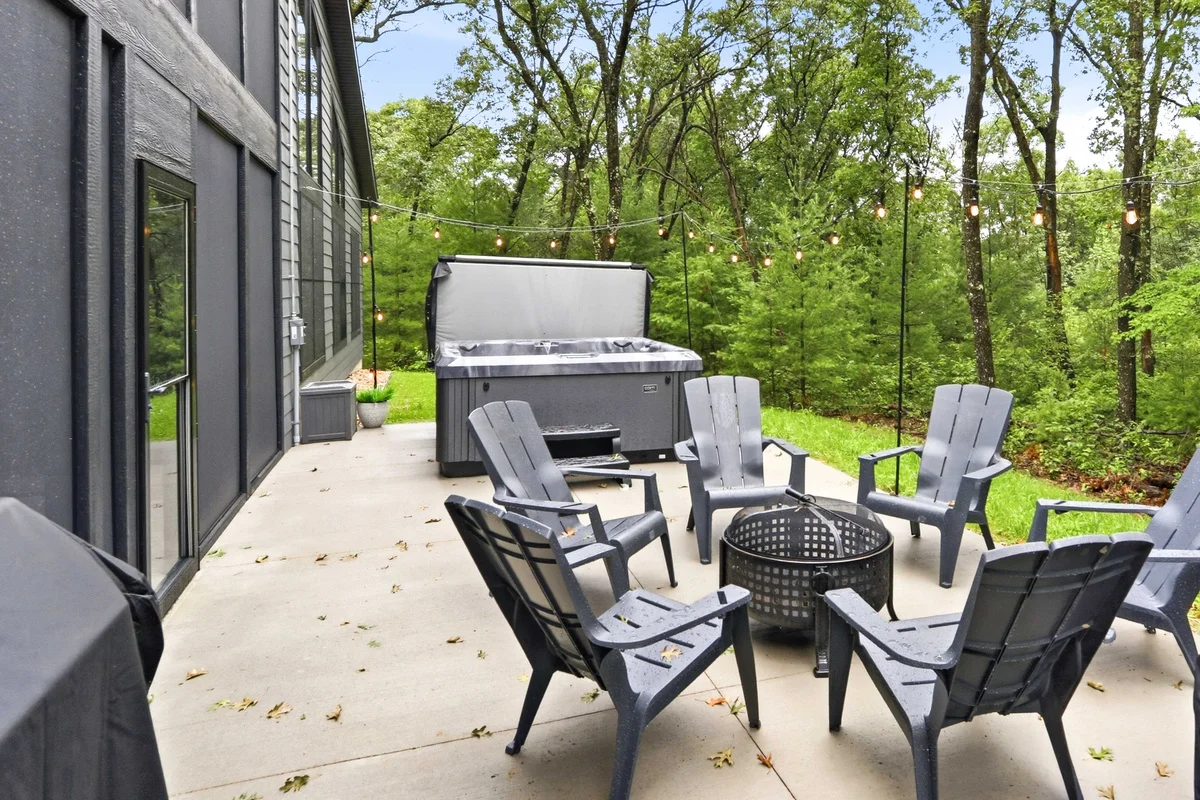
Enjoy evenings outside with the hot tub, grill, and string-lit patio made for relaxing. · Tomahawk Trail
If you want to see how a premium home is positioned for golf weekends, Tomahawk Trail from Clear Trail Properties is a good example, and the private hot tub is the first thing groups ask about. Check availability here.
Written by Ashley Lang, Owner, CEO at Clear Trail Properties