What Does a STR Property Manager Do? Full Job Breakdown
What does a STR property manager do all day? Guest messaging, cleaning, pricing, and maintenance. See the full breakdown of daily tasks and costs.

A short-term rental property manager handles the day-to-day operation of a vacation rental on the owner's behalf, covering guest messaging, cleaning coordination, dynamic pricing, maintenance oversight, and compliance, so the owner does not have to answer a phone every night a booking comes in.
Key Takeaways
- A STR property manager's core job splits into five categories: guest communication, turnover cleaning coordination, dynamic pricing, maintenance oversight, and compliance/reporting.
- Full-service STR management typically costs 15-30% of gross booking revenue, according to industry benchmarks, while co-hosting arrangements often run closer to 10-18%.
- Professional management can increase revenue meaningfully through pricing and occupancy optimization that most self-managing owners skip, according to Roam Management's 2026 industry data.
- In Nekoosa, WI, median short-term rentals achieve roughly 26% occupancy, while the top 10% of properties average 66% or higher, according to AirROI's 2026 report, a gap largely driven by pricing and listing management.
- Owners should distinguish between a full-service manager, a co-host, and self-managing before signing any contract, since fee structures and responsibilities differ significantly between the three.
If you own a cabin near Sand Valley Golf Resort or a lakefront property on Petenwell, you have probably wondered exactly what you are paying for when you hire someone to manage it. The job description sounds simple from the outside: answer some messages, get the place cleaned, collect a check. In practice, it is a full operating system with dozens of small decisions made every single day.
At Clear Trail Properties, we manage properties across Central Wisconsin and Northern Michigan, from Nekoosa and Rome to Wausau and Minocqua, and the question "what do you actually do all day" comes up in nearly every owner conversation we have. This article breaks down the real, granular work behind short-term rental management in 2026, using the exact framework we apply across our own portfolio and our co-hosting clients' homes.
You will get a category-by-category breakdown of daily tasks, a look at what separates full-service management from co-hosting, honest cost ranges, and the compliance details most guides skip entirely.
What Does a Short-Term Rental Property Manager Do?
A short-term rental property manager is a professional who oversees every operational aspect of a vacation rental on the owner's behalf, including guest communication, cleaning coordination, pricing strategy, maintenance, and regulatory compliance. Specifically, the role functions as full-service ownership support, not just a cleaning coordinator or a message-answering service.
First, a manager builds and optimizes the listing itself across various booking platforms, writing descriptions, selecting photos, and setting house rules. Additionally, the manager adjusts nightly rates in response to seasonality, local events, and competing inventory. For example, a golf-heavy weekend near Sand Valley demands different pricing than a slow February midweek stretch.
As a result, the manager becomes the single point of contact for guests, cleaners, maintenance vendors, and the owner. In our experience managing properties from Wausau to Rome, the owners who struggle most are the ones trying to do all four of those jobs themselves while also holding down a full-time career somewhere else.
What Are the Daily Responsibilities of an STR Manager?
The daily responsibilities of an STR property manager break into five operational categories: guest messaging, turnover and cleaning coordination, dynamic pricing adjustments, maintenance oversight, and compliance or financial reporting. Each category runs on its own schedule, some hourly, some monthly, and all of them require consistent attention.
Specifically, guest messaging tends to be the most time-sensitive category. A manager fields pre-stay questions, mid-stay issues (a broken hot tub jet, a lockbox that will not open), and post-checkout follow-up, often across multiple platforms simultaneously. Response speed matters directly: platforms factor response time into search ranking, and slow replies show up in review scores.
Cleaning coordination runs on a tighter loop. Between every single stay, someone has to schedule a cleaner, confirm the checklist was followed, restock toiletries and paper products, and verify the unit is guest-ready before the next check-in. Maintenance oversight is less frequent but higher stakes: a manager schedules preventive inspections and responds fast when something breaks mid-stay. Compliance and reporting happen monthly, covering tax remittance, licensing renewals, and owner statements.
Guest Messaging and Communication
Guest messaging covers every interaction from initial inquiry through post-stay review requests. A manager typically handles this across whatever hours guests are actually awake, which in practice means evenings, weekends, and holidays get more traffic than a standard workday.
Pre-stay, guests ask about parking, pet policies, and driving directions. Mid-stay, the volume shifts toward troubleshooting, a Wi-Fi outage, a question about the fire pit, confusion over the streaming login on the smart TV. Post-checkout, the manager follows up on lost items and nudges for reviews. Guest screening also happens here: reviewing verified IDs, prior review history, and group size before confirming a reservation, particularly important for larger group bookings where noise complaints are a real risk.
Cleaning and Turnover Coordination
Turnover coordination means scheduling a cleaning crew between every checkout and the next check-in, then confirming the work against a consistent checklist rather than trusting it happened. A manager restocks starter supplies (toilet paper, paper towels, coffee, dish soap) and does a final visual walkthrough before releasing the unit for the next guest.
This is where same-day turnovers get complicated. A checkout at 11 a.m. and a check-in at 4 p.m. leaves a five-hour window for cleaning, laundering linens, and catching any damage from the outgoing guest. Managers who run tight cleaning schedules build in buffer time and backup cleaners for exactly this scenario, because a late or rushed turnover is one of the fastest ways to earn a bad review.

Wake up surrounded by treetop views and cozy, elevated design in a peaceful bedroom made for slow mornings and restful nights. · Tomahawk Trail
Dynamic Pricing and Revenue Management
Dynamic pricing means adjusting nightly rates continuously in response to demand signals: seasonality, local events, day-of-week patterns, and what comparable listings nearby are charging. In Nekoosa, WI, July is the strongest month for short-term rental demand and February is the softest, according to AirROI's 2026 market data, which means a static year-round rate leaves money on the table in summer and sits empty in winter.
Notably, a static-rate listing near Sand Valley Golf Resort will price itself out of slow-season bookings and undercharge during peak golf weekends. Revenue management software from other providers can help managers automate this, but the software still needs a human setting the strategy, deciding minimum stays, and catching local nuances an algorithm misses, like a corporate golf outing filling a whole neighborhood for a weekend.
Maintenance and Property Upkeep
Maintenance oversight covers scheduled inspections plus emergency response when something breaks mid-stay. A manager coordinates vendors for HVAC servicing, hot tub chemical checks, appliance repairs, and seasonal tasks like winterizing pipes or opening a dock for the season.
Preventive maintenance matters more in this market than most owners expect. A Wisconsin winter is unforgiving on plumbing and roofing, and a property sitting vacant for two weeks in January with no one checking on it is a real risk. Industry guidance suggests setting aside 5 to 10 percent of gross revenue as a maintenance reserve, a number worth budgeting for regardless of who manages the property.
How Is a Property Manager Different From a Co-Host or Self-Managing?
A property manager, a co-host, and a self-managing owner represent three distinct levels of involvement and cost. A full-service property manager takes over nearly all operational tasks for a fee typically ranging from 15 to 30 percent of gross booking revenue. A co-host handles a narrower slice, often pricing, listing optimization, and guest communication support, for a lower fee closer to 10 to 18 percent, while the owner stays involved in bigger decisions. Self-managing means the owner does everything.
The distinction matters because owners often assume "hiring help" is a single decision when it is actually a spectrum. An out-of-state cabin owner near Lake Petenwell who wants total hands-off operation needs full-service management. A local owner near Wausau who enjoys the business side but is tired of answering 11 p.m. guest texts might be better served by co-hosting.
| Model | Who Handles Guest Messaging | Who Sets Pricing | Typical Fee Range | Owner Involvement |
|---|---|---|---|---|
| Full-Service Management | Manager, 24/7 | Manager | 15-30% of gross revenue | Minimal, owner retains ownership decisions |
| Co-Hosting | Shared or manager-led | Manager with owner input | 10-18% of gross revenue | Moderate, owner stays in the loop |
| Self-Managing | Owner | Owner | 0% (owner's time cost) | Full, all tasks fall to the owner |
At Clear Trail Properties, we offer both full-service management and co-hosting specifically because owners land in different places on that spectrum. Some want us handling guest communication, cleaning coordination, maintenance oversight, and dynamic pricing adjustments completely. Others want to retain more day-to-day involvement while we handle listing optimization and pricing strategy. Neither answer is wrong, it depends on how much of your evenings you want back.
What Is STR in Property Management?
STR stands for short-term rental, referring to a furnished property rented out for stays typically ranging from a single night up to about 30 days, distinct from a traditional long-term lease measured in months or years. In property management terms, STR management refers specifically to the operational systems needed to support fast guest turnover, rather than the slower cadence of tenant leasing.
Some definitions extend the STR category to cover mid-term rentals of up to six months, particularly relevant for extended-stay professionals like traveling healthcare workers or remote employees booking a furnished home for weeks at a time. This is where hybrid operators, including our own portfolio, blend short-term vacation stays with mid-term flexibility during slower seasons, filling gap nights that a pure vacation-rental calendar would otherwise leave empty.
Is It Difficult to Do Property Management for STR?
Short-term rental property management is difficult primarily because of its frequency and unpredictability, not because any single task is technically hard. Unlike a long-term rental where you might interact with a tenant twice a year, an STR generates a new guest cycle every few days, each one requiring communication, cleaning, and inspection.
The difficulty compounds for owners managing multiple properties or living out of state. A missed maintenance issue at a cabin near Rome that goes unnoticed for two weeks can turn into a costly repair and a string of bad reviews before the owner even finds out. Compliance adds another layer: Wisconsin requires short-term rental hosts to collect and remit state sales and use tax, and many municipalities require a local lodging tax license before a unit can even be listed. Missing either one creates real financial and legal exposure.
Response-time pressure is the other underrated challenge. Guests expect fast answers, and booking platforms weight response speed in search ranking. A self-managing owner juggling a day job simply cannot match the responsiveness of a dedicated team monitoring messages around the clock, which is exactly the gap that pushes many burned-out self-managers toward professional help.
How Much Money Do Short-Term Rental Property Managers Make?
Short-term rental property managers typically earn their income through a percentage of the gross booking revenue they manage, most commonly falling in the 15 to 30 percent range for full-service arrangements, according to multiple 2026 industry benchmarks. Some markets see rates as low as 10 to 15 percent for lighter co-hosting services and as high as 40 to 45 percent for premium, fully hands-off management in certain regions.
For context on the broader property management profession, U.S. Bureau of Labor Statistics data puts the average hourly wage for property managers at roughly $37.69, or about $78,400 annually, as of 2023, though that figure spans residential, commercial, and vacation rental management broadly rather than STR-specific compensation. Fee structures vary by market, portfolio size, and how much of the operational load the manager actually takes on, so a company managing 60-plus properties with in-house cleaning crews will price differently than a solo operator managing three units part-time.
What Is the 80/20 Rule in Short-Term Rentals?
There is no verified, established industry standard called the "80/20 rule" specific to short-term rental management. If you have seen this phrase used elsewhere, treat it with caution. What is verifiable is that short-term rental performance in most markets, including Nekoosa, follows a wide dispersion: top-performing properties significantly outpace median-performing ones on occupancy and revenue.
In Nekoosa specifically, median-performing short-term rentals achieve about 26 percent occupancy, while the top 10 percent of properties average 66 percent or higher, according to AirROI's 2026 report. That gap is not random luck. It typically comes down to pricing discipline, listing quality, and response speed, exactly the levers a hands-on manager controls. Rather than chasing an invented rule, focus on the levers that actually move occupancy: photography, dynamic pricing, and minimum-stay strategy around gap nights.
What Do Compliance and Tax Duties Actually Look Like?
Compliance duties for a short-term rental manager include securing local lodging licenses, collecting and remitting state and local taxes, monitoring occupancy limits, and staying current on zoning ordinances that could restrict or ban STR activity in certain districts. Wisconsin requires hosts to collect state sales and use tax at a 5 percent state rate plus applicable local lodging taxes, and many municipalities require a separate registration before a property can legally list.
Specifically, this means an owner near Rome or Nekoosa needs to check zoning rules before assuming a property qualifies for short-term rental, verify licensing status with the local municipality, and set up a system for remitting collected taxes on schedule. Notably, the Wisconsin Department of Agriculture, Trade and Consumer Protection oversees tourist rooming house permit requirements under its tourist rooming house program, and municipalities like the Town of Rome maintain their own forms and permits portal for local applications. Rules and thresholds change periodically, so confirm current requirements directly with the relevant office before listing a property.
Financial reporting rounds out this category. Owners should expect monthly statements covering income, expenses, occupancy, and payouts, not a single annual summary that leaves nine months of the year invisible.
How Do You Choose the Right STR Management Model?
Choosing the right management model starts with an honest accounting of your time, location, and risk tolerance, not just the fee percentage. An out-of-state owner with a cabin near Lake Petenwell has different needs than a local second-home owner who visits most weekends and just wants pricing help.
Consider these factors before signing anything:
- Distance from the property: if you cannot respond to a maintenance emergency within a few hours, full-service management is almost certainly the right call.
- Time available for guest communication: STR guests message at all hours, including holidays, and slow responses hurt your ranking on every major platform.
- Comfort with pricing strategy: dynamic pricing rewards constant attention; a static rate set once a year leaves revenue on the table during peak weekends and empties the calendar during slow ones.
- Appetite for compliance risk: missed tax remittance or an expired lodging license can trigger fines that erase a season's profit margin.
- Desired involvement level: co-hosting works well for owners who want to stay engaged in decisions; full-service works better for owners who want the property to run without them.
Common mistakes we see across owner conversations: setting a nightly rate once and never revisiting it, skipping local licensing because "everyone else does," and underestimating how much gap-night vacancy actually costs over a full year. A property that sits empty on a Tuesday in October because minimum-stay rules were never adjusted is losing money silently, month after month.
What Should You Ask Before Hiring a Property Management Company?
Before signing a management agreement, ask specific questions about fee structure, contract terms, and who physically handles day-to-day tasks. A vague answer to any of these questions is itself a red flag.
- What exact percentage of gross revenue is the management fee, and does it change with occupancy or season?
- Is cleaning billed separately from the management fee, and who sets the cleaning fee guests pay?
- How is maintenance handled: does the manager mark up vendor invoices, and by how much?
- What is the contract length, and what does the termination clause require?
- Who answers guest messages after hours, and what is the target response time?
- Does the manager provide monthly financial reporting, or only an annual summary?
- Is the manager, or any staff, affiliated with a recognized industry body like NARPM or IREM?
Ask for a sample owner statement before signing anything. If a company hesitates to show you one, treat that as a warning sign, since transparent reporting is a baseline expectation, not a premium feature.
What Red Flags Should You Watch for When Hiring Property Managers?
The clearest red flags when vetting a property manager are vague fee disclosures, no verifiable local presence, and reluctance to provide references or sample reporting. A manager who cannot clearly explain what percentage they take, and from what revenue base, is not being upfront about how they get paid.
Additionally, watch for managers who outsource everything to a national call center with no local team on the ground. A guest with a mid-stay emergency near Minocqua at 9 p.m. needs someone who actually knows the property and can dispatch a real person, not a ticket queued for the next business day. Ask directly whether the company has staff physically based in your market, in our case, teams in Wausau, Rome, and Minocqua specifically for this reason.
Finally, be cautious of any manager unwilling to discuss compliance responsibilities in detail. If they cannot speak specifically to lodging tax licensing or local zoning rules for your municipality, they likely are not tracking it closely, and that gap becomes your liability, not theirs.
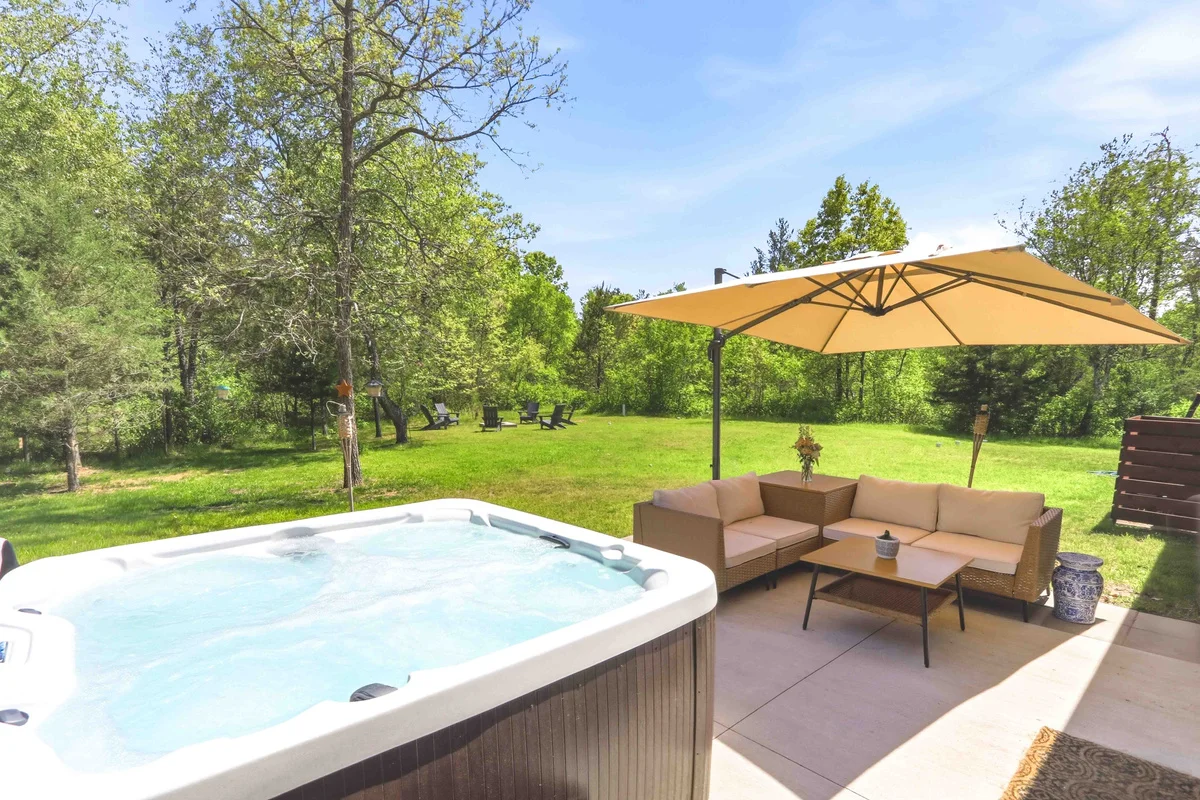
Spend sunlit afternoons by the hot tub with shaded seating and plenty of green space to relax. · Hidden on the 17th Hole
Frequently Asked Questions
What are red flags when hiring property managers?
Vague fee disclosure, no local, on-the-ground staff, and refusal to share sample financial reporting are the clearest warning signs. A trustworthy manager will explain their exact fee percentage, revenue base, and response-time standards without hesitation, and should be able to name specific local team members who handle your market.
What county is Nekoosa, WI in?
Nekoosa, WI is located in Wood County, part of Central Wisconsin's Sand Valley and Lake Petenwell corridor. This region includes nearby communities like Rome and Friendship, where much of the area's short-term rental activity is concentrated.
What is the difference between full-service property management and co-hosting?
Full-service management means the manager handles nearly all operational tasks, guest messaging, cleaning, pricing, maintenance, and compliance, for a fee typically between 15 and 30 percent of gross revenue. Co-hosting is a lighter arrangement, often 10 to 18 percent, where the owner retains more day-to-day involvement while the co-host handles pricing and listing optimization.
How much does it cost to hire a property manager for a Wisconsin vacation rental?
Full-service STR management in Wisconsin typically runs 15 to 30 percent of gross booking revenue, while co-hosting arrangements often fall between 10 and 18 percent. The exact percentage depends on how many services are included, such as cleaning coordination, dynamic pricing, and maintenance oversight, so always get an itemized breakdown before signing.
Is short-term rental of my cabin legal in Nekoosa or Rome, WI?
Legality depends on local zoning ordinances and licensing requirements, which vary by municipality. Wisconsin requires hosts to collect state sales and use tax, and many towns require a separate lodging tax license or permit before you can legally list. Confirm current zoning and permit requirements directly with your municipality's forms and permits office before listing.
How do I know if my nightly rate is priced correctly?
Compare your rate against similar properties in your immediate area for the same dates, factoring in local events, seasonality, and day-of-week demand. If your calendar shows long stretches of empty gap nights during a period when comparable listings are booked, your pricing is likely too high or your minimum-stay rules are too restrictive.
What hotels are available in Nekoosa, Wisconsin?
Nekoosa's lodging options include a mix of hotels and vacation rental cabins, with the vacation rental market concentrated around the Sand Valley Golf Resort and Lake Petenwell corridor. Many travelers to this area choose managed cabins and lake houses over traditional hotels specifically for the extra space, kitchens, and outdoor amenities like fire pits and private docks.
The Bottom Line on What an STR Property Manager Does
A short-term rental property manager's job comes down to five ongoing responsibilities: guest communication, cleaning coordination, dynamic pricing, maintenance oversight, and compliance. None of these tasks is individually difficult, but doing all five consistently, every day, across every booking, is what separates a professionally managed property from one that quietly underperforms.
As of 2026, the gap between median and top-performing properties in markets like Nekoosa remains wide, and that gap is largely explainable by exactly the tasks covered in this article. Owners who treat pricing, guest response time, and maintenance as ongoing systems, rather than occasional chores, consistently see stronger results than those who set a listing live and check back once a month.
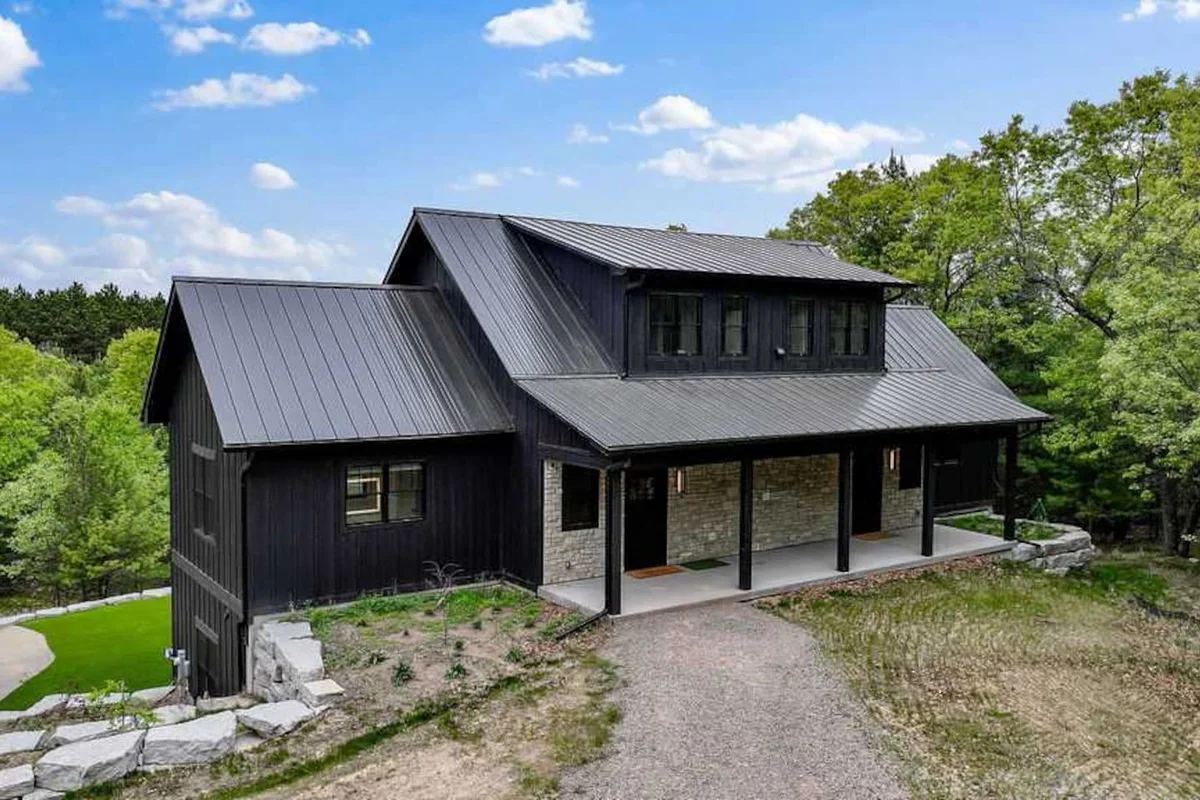
A welcoming facade that sets the tone. · Archer Place
If you are weighing whether professional management is worth the fee, Clear Trail Properties can walk you through what full-service management or co-hosting actually looks like for a property like yours. With over 60 properties under management across Nekoosa, Rome, Wausau, and Minocqua, our local teams handle guest communication, cleaning coordination, maintenance oversight, and dynamic pricing so owners keep full ownership without the daily operational load. Reach out through cleartrailproperties.com to talk through your specific property.
Written by Ashley Lang, Owner, CEO at Clear Trail Properties